
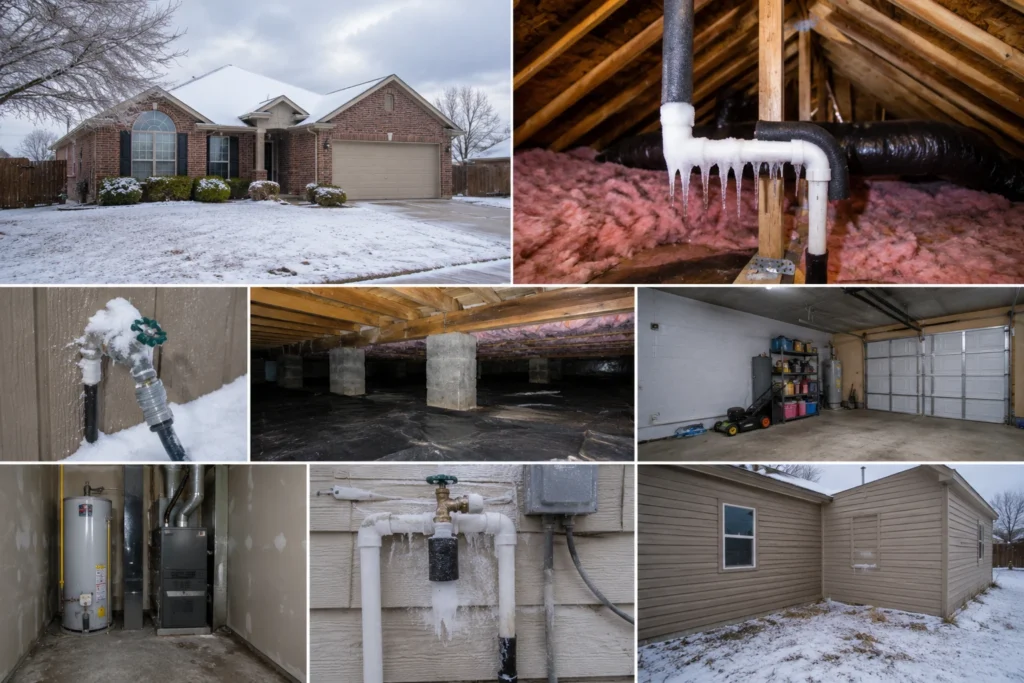
A frozen pipe can turn an ordinary winter morning into a stressful insurance nightmare. Although Texas is known for its warm climate, sudden cold snaps have shown just how vulnerable homes and businesses can be when temperatures plunge. Frozen Pipe Claims Cedar Hill, TX have become an important topic for property owners who want to understand their insurance rights, reduce financial losses, and recover as quickly as possible. If you’ve discovered water pouring through your ceiling or soaking your floors after a freeze, acting quickly—and making informed decisions can significantly improve the outcome of your claim.
When water escapes from a burst pipe, the damage often extends well beyond the visible leak. Drywall absorbs moisture. Hardwood flooring begins to warp. Cabinets swell. Insulation loses effectiveness, and hidden moisture can remain trapped inside walls long after standing water has disappeared. The sooner these issues are identified and documented, the stronger your insurance claim is likely to be. While many homeowners assume frozen pipes only affect northern states, North Texas experiences rapid temperature swings that create unique challenges. Plumbing systems are frequently installed with warm weather in mind, making them especially susceptible when an Arctic front arrives unexpectedly. That combination of freezing temperatures and homes not designed for prolonged cold can produce extensive property damage within hours.
Insurance claims involving frozen pipes also require careful documentation and an understanding of policy language. Even concepts outside the insurance industry, such as forensic engineering, demonstrate how specialists analyze structural failures to determine causes and responsibility. Similarly, identifying exactly how and when a pipe burst can help support a well-documented property damage claim and reduce disputes during the adjustment process.
Why Frozen Pipes Can Cause Extensive Property Damage
Many people think the pipe itself is the biggest problem. In reality, the plumbing repair is often one of the smallest expenses. Water damage creates a chain reaction that affects nearly every part of a building. When temperatures drop below freezing, water inside pipes expands. Unlike most materials, water increases in volume as it freezes. That expansion creates tremendous internal pressure against the pipe walls.
Eventually, something gives. The pipe doesn’t always split where the ice forms. Instead, pressure builds between the blockage and a closed faucet until the weakest section cracks. Copper, PVC, PEX, galvanized steel, and other plumbing materials can all fail under the right conditions. Ironically, the worst damage usually occurs after temperatures begin rising. As the ice melts, pressurized water rushes through the newly formed crack. Depending on the location, hundreds of gallons can escape before anyone notices the problem. Pipes hidden above ceilings, inside walls, or beneath floors may leak for hours before visible signs appear.
That is why homeowners sometimes discover damage far away from the actual plumbing failure. Water follows gravity. It seeps into insulation, spreads across framing members, enters electrical cavities, and migrates beneath finished flooring before eventually becoming visible. Once moisture enters building materials, additional problems begin developing. Drywall softens. Wood framing absorbs water. Carpet padding traps moisture. Cabinets begin swelling. Laminate flooring separates. Paint bubbles. If drying is delayed, microbial growth becomes another concern, increasing restoration costs and extending repair timelines.
Why Homes in Cedar Hill Can Still Experience Frozen Pipe Damage
Many Texas homeowners are surprised when frozen pipes become a serious issue. Unfortunately, weather patterns over the last several years have demonstrated that North Texas is fully capable of experiencing prolonged freezing conditions. In Cedar Hill, rapid weather changes can catch property owners off guard. A mild afternoon may be followed by overnight temperatures well below freezing, giving plumbing systems little time to adjust.
Unlike homes built in colder climates, many Texas properties were designed primarily to handle heat rather than extended periods of freezing weather. Pipe insulation may be minimal, exterior plumbing may receive less protection, and exposed water lines often remain vulnerable during severe cold.
Several areas inside a home deserve particular attention because they freeze first:
- Attics with insufficient insulation
- Exterior walls containing plumbing
- Crawl spaces
- Garages
- Outdoor hose bibs
- Utility rooms
- Exterior storage areas
- Unheated additions
These locations frequently experience lower temperatures than the main living areas. Even if your thermostat remains comfortable indoors, hidden plumbing in these spaces may already be approaching dangerous temperatures.
Wind also plays an important role. Cold air moving through small cracks around foundations, vents, utility penetrations, and attic openings accelerates heat loss. A pipe located near one of these drafts may freeze much sooner than identical plumbing elsewhere in the house. Property owners should also remember that vacant homes face even greater risks. Vacation properties, rental homes between tenants, and seasonal residences often go unnoticed during freezing weather. By the time someone discovers the leak, substantial water damage may already exist.
Warning Signs That a Pipe May Have Frozen
Frozen pipes rarely happen without warning. The challenge is recognizing those early indicators before they become a much larger insurance claim. One of the first signs is reduced water pressure. If you open a faucet and only a trickle comes out or nothing at all a frozen section somewhere in the plumbing system may be restricting flow. Never assume the issue will resolve on its own. Investigating immediately can prevent far more expensive damage later.
You may also notice frost forming directly on exposed plumbing. Visible frost often indicates that water inside the pipe has reached freezing temperatures. This is particularly common in garages, crawl spaces, utility closets, or unfinished basements where insulation is limited. Unusual sounds deserve attention as well. Banging, creaking, whistling, or gurgling noises sometimes occur as ice forms and pressure changes inside plumbing lines. Although these sounds do not always indicate an imminent rupture, they should never be ignored during freezing weather.
Other warning signs include:
| Warning Sign | What It May Indicate |
| Little or no water flow | Frozen blockage restricting water movement |
| Frost on exposed pipes | Water inside approaching or below freezing |
| Bulging pipe sections | Internal pressure building |
| Water stains on ceilings | Hidden leak above finished surfaces |
| Damp drywall | Active water intrusion |
| Musty odors | Moisture trapped inside walls |
| Unexpected increase in humidity | Ongoing hidden leak |
Sometimes the warning signs appear only after temperatures begin rising. Water stains may suddenly develop across ceilings. Paint begins bubbling. Flooring feels soft underfoot. Cabinet kickplates become swollen. Doors stop closing properly because surrounding materials have expanded from absorbed moisture. These seemingly unrelated symptoms often trace back to a single burst pipe hidden inside the structure. The sooner these conditions are documented, photographed, and professionally inspected, the easier it becomes to demonstrate the full extent of damage during the insurance claims process.
What To Do Immediately After Discovering a Burst Pipe
Finding water pouring into your home is overwhelming. However, the decisions made during the first hour can dramatically influence both the amount of damage and the strength of your insurance claim. Start by shutting off the main water supply. Stopping the flow immediately prevents additional water from entering the property and limits secondary damage. Every homeowner should know where the primary shutoff valve is located long before an emergency occurs.
Next, evaluate electrical safety. If water has reached electrical outlets, appliances, breaker panels, or wiring, avoid entering affected areas until power can be safely disconnected. Electricity and standing water create an extremely dangerous combination that should never be underestimated. Once immediate hazards are controlled, contact a licensed plumber to identify the damaged pipe and perform temporary or permanent repairs. A detailed plumbing report explaining the cause of the failure can become valuable supporting documentation during the insurance claim process.
At the same time, begin documenting every affected area before major cleanup starts. Take wide-angle photographs to capture the overall damage, followed by close-up images of soaked materials, damaged belongings, visible plumbing failures, standing water, and moisture stains. Short videos can also help demonstrate conditions that still images may not fully capture, creating a stronger record for your claim as restoration work moves forward.
Does Homeowners Insurance Cover Frozen Pipe Claims?
One of the first questions homeowners ask after discovering a burst pipe is whether their insurance policy will pay for the damage. The answer is often yes but only if the loss meets the terms of the policy. Every homeowners insurance contract is different, so coverage depends on the specific language, exclusions, deductibles, and responsibilities outlined in your policy. That is why reviewing your policy carefully before making assumptions is so important.
In many cases, insurance covers the sudden and accidental water damage caused by a frozen pipe that bursts unexpectedly. While the pipe itself may not always be covered, the resulting damage inside the home often is. This distinction catches many homeowners by surprise. They focus on replacing a section of plumbing, while the much larger costs involve repairing walls, ceilings, flooring, cabinetry, insulation, and damaged personal belongings.
Covered damage commonly includes:
- Drywall repair and replacement
- Ceiling restoration
- Flooring repairs
- Cabinet replacement
- Interior painting
- Damaged insulation
- Electrical repairs caused by water intrusion
- Furniture and personal property damaged by water
- Temporary living expenses if the home becomes uninhabitable
However, not every loss receives automatic approval. Insurance companies may question whether the homeowner took reasonable steps to prevent pipes from freezing. If the home was left unheated for an extended period, maintenance was neglected, or previous plumbing issues were ignored, parts of the claim could be disputed. Understanding these policy conditions before negotiations begin helps prevent unpleasant surprises later.
Common Reasons Frozen Pipe Claims Become Underpaid
Many property owners assume the insurance company will automatically identify every damaged area. Unfortunately, that isn’t always how claims unfold. Adjusters work under time constraints, and hidden damage can easily be overlooked during an initial inspection.
One of the most common issues is concealed moisture. Water rarely remains where it first appears. It travels behind walls, beneath flooring, through insulation, and along framing members before becoming visible. Without specialized moisture detection equipment, significant damage may remain undiscovered until weeks later. Another common problem involves incomplete repair estimates. An estimate that only includes replacing damaged drywall may fail to account for insulation removal, flooring replacement, trim work, painting, cabinetry repairs, or professional drying. Each overlooked item reduces the overall claim value and may leave the homeowner paying out of pocket for necessary repairs. Secondary damage is another area where claims sometimes fall short.
For example, prolonged moisture exposure can affect:
- Hardwood flooring
- Laminate flooring
- Carpet padding
- Baseboards
- Crown molding
- Interior doors
- Built-in shelving
- HVAC components
- Electrical wiring
- Wall insulation
Each damaged component should be documented thoroughly rather than assuming it will be included automatically.
Personal property is also frequently undervalued. Furniture, electronics, clothing, artwork, family heirlooms, business equipment, and household goods can all suffer water damage. Creating a detailed inventory with photographs, purchase dates, receipts when available, and estimated replacement costs helps support a more complete claim submission.
The Importance of Thorough Documentation
Good documentation tells the story of your loss long before repair work begins. The more organized your records are, the easier it becomes to demonstrate what happened, how extensive the damage is, and what it will reasonably cost to restore the property. Think of your documentation as building evidence. Every photograph, invoice, inspection report, and contractor estimate adds another layer of support to your claim.
The following checklist can help keep everything organized:
| Documentation | Why It Matters |
| Photographs | Shows conditions before cleanup begins |
| Videos | Captures active leaks and overall damage |
| Plumber’s report | Identifies the cause of the pipe failure |
| Water mitigation invoices | Verifies emergency response efforts |
| Moisture readings | Documents hidden water intrusion |
| Contractor estimates | Supports repair costs |
| Receipts | Tracks out-of-pocket expenses |
| Insurance correspondence | Creates a clear communication record |
Keep copies of every email, letter, estimate, and invoice. Even small expenses, such as purchasing fans, tarps, cleaning supplies, or temporary repairs, may become relevant during the claim process. If additional damage appears weeks later, document it immediately. Moisture trapped inside walls or flooring can reveal itself long after the initial cleanup has finished.
Mistakes That Can Hurt Your Frozen Pipe Insurance Claim
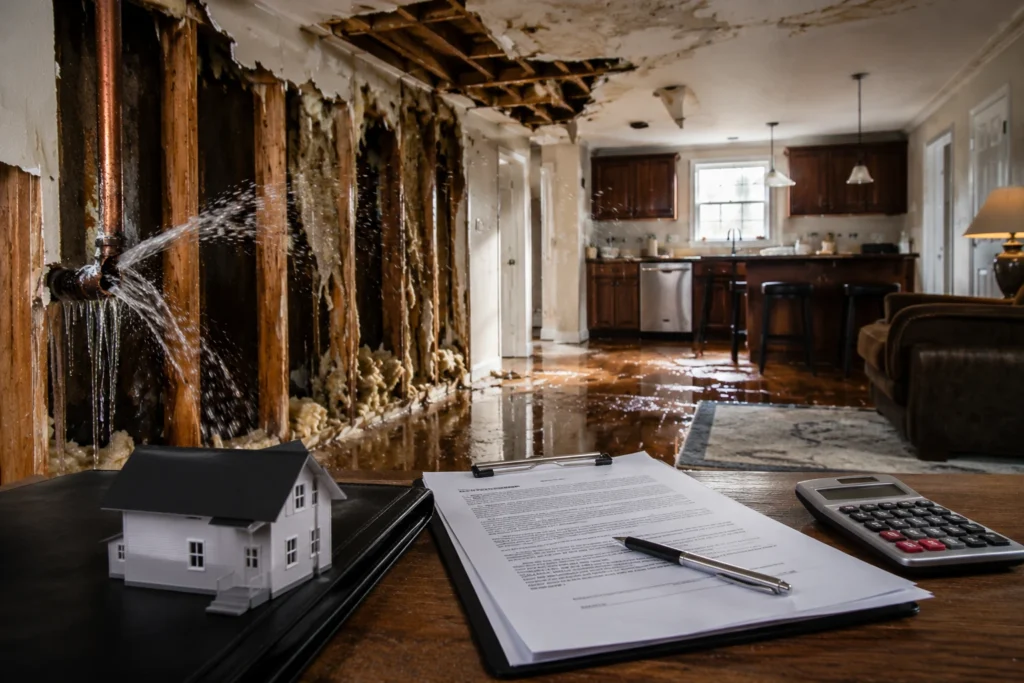
Insurance claims are often strongest when homeowners avoid a few common mistakes. While every situation is different, several errors appear repeatedly in frozen pipe claims across Texas. Waiting too long to report the damage is one of the biggest problems. Insurance policies generally require prompt notification after a loss occurs. Delaying your report can make it more difficult to prove when the damage happened or whether additional deterioration occurred afterward.
Another mistake involves throwing damaged materials away too soon. Although cleanup is important, damaged drywall, flooring, insulation, cabinets, and plumbing components may serve as valuable evidence. Whenever possible, ask your insurance company or restoration contractor whether materials should be retained until inspections are complete. Beginning major reconstruction before the insurance company has documented the damage can also complicate matters. Emergency mitigation is necessary to prevent additional loss, but permanent repairs should generally wait until the insurer has had an opportunity to inspect the property unless immediate safety concerns exist. Accepting the first settlement without reviewing the estimate carefully is another common issue.
Initial estimates sometimes overlook hidden moisture, code upgrades, specialty materials, or secondary repairs. Taking time to understand exactly what is and isn’t included can prevent costly surprises during reconstruction. Finally, avoid relying solely on verbal conversations. Whenever possible, request important decisions in writing and maintain your own organized claim file from beginning to end.
How a Public Adjuster Can Help With Frozen Pipe Claims
Large water damage claims often involve far more than replacing a broken pipe. Multiple contractors, restoration companies, inspectors, engineers, and insurance representatives may all become involved during the recovery process. A public adjuster works on behalf of the policyholder rather than the insurance company. Their role is to evaluate the loss, interpret policy provisions, document damages, prepare claim information, and negotiate a fair settlement based on the policy’s terms.
The process often begins with a comprehensive property inspection. Rather than focusing only on visible damage, the inspection considers hidden moisture, affected building materials, structural concerns, and personal property losses. This broader evaluation helps create a more complete picture of the overall damage. Policy review is equally important. Insurance policies contain definitions, exclusions, endorsements, coverage limits, and claim requirements that can influence how a loss is handled. Understanding these provisions allows homeowners to make informed decisions throughout the claims process.
Detailed documentation follows.
This may include:
- Comprehensive damage inventories
- Repair estimates
- Photographic evidence
- Moisture mapping
- Contractor reports
- Supporting invoices
- Personal property inventories
- Supplemental documentation if new damage is discovered
Negotiation then becomes a key part of the process.
Rather than accepting the first estimate at face value, additional information may be presented when repairs reveal hidden damage or when original estimates fail to reflect actual restoration costs. For many homeowners, this guidance reduces confusion during an already stressful time and allows them to focus on restoring their property.
Residential vs. Commercial Frozen Pipe Claims
Although frozen pipes affect both homes and businesses, commercial claims often involve additional layers of complexity. Larger buildings typically contain more extensive plumbing systems, specialized equipment, tenant improvements, and business operations that increase the overall value of the loss.
Residential claims generally involve:
- Single-family homes
- Townhomes
- Condominiums
- Duplexes
- Vacation homes
Commercial claims may involve:
- Office buildings
- Retail centers
- Warehouses
- Restaurants
- Medical offices
- Apartment communities
- Homeowners associations
- Mixed-use developments
Commercial losses frequently include business interruption, damaged inventory, tenant improvements, and operational downtime alongside physical property damage. As a result, documentation requirements often become more detailed than those associated with residential claims.
Property owners should also remember that different insurance policies may apply depending on ownership structure, tenant responsibilities, and lease agreements.
Every claim deserves careful evaluation based on its own facts not assumptions. Many homeowners researching frozen weather losses also ask broader insurance questions, including Does Insurance Cover Old Hail Damage? While hail and frozen pipe claims involve different causes of loss, both highlight the importance of timely reporting, thorough documentation, and understanding exactly what your insurance policy covers before accepting a settlement offer.
Preventing Frozen Pipe Damage in the Future
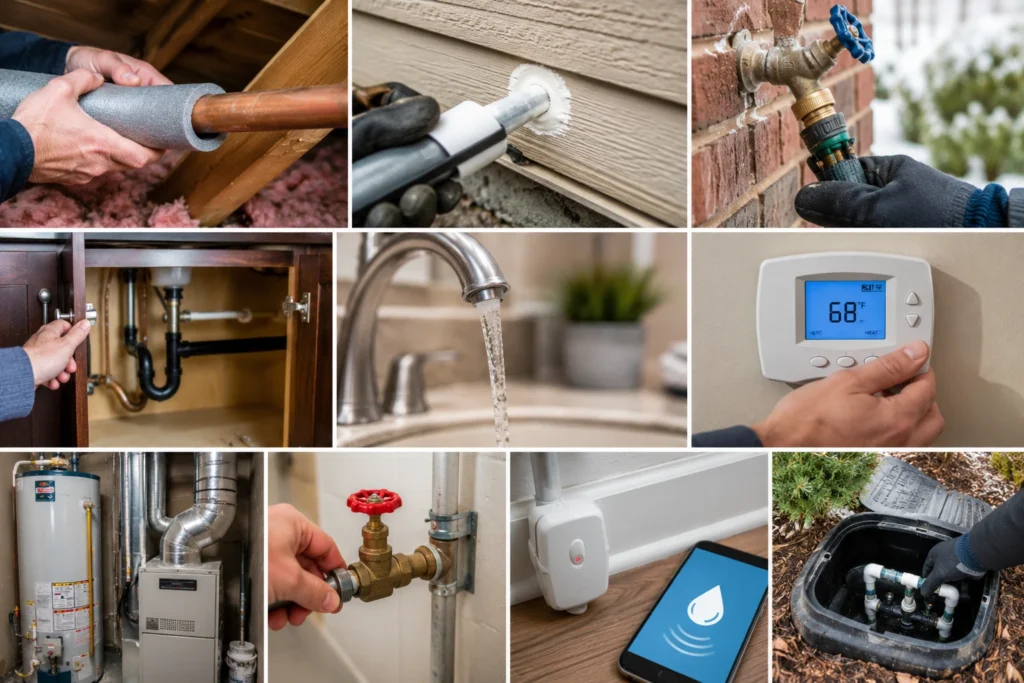
Recovering from a burst pipe is expensive, disruptive, and time-consuming. The good news is that many frozen pipe losses are preventable with consistent maintenance and a little preparation before temperatures drop. Start with pipe insulation. Exposed plumbing located in attics, crawl spaces, garages, exterior walls, and utility rooms should be insulated using materials designed specifically for plumbing applications. While insulation cannot guarantee pipes will never freeze, it slows heat loss and provides valuable protection during brief cold spells.
Next, inspect your home’s exterior. Small gaps around pipes, vents, cable penetrations, and foundation openings allow cold air to enter areas where plumbing is located. Sealing these openings with appropriate materials helps maintain warmer temperatures around vulnerable water lines. Outdoor plumbing deserves equal attention. Disconnect garden hoses before freezing weather arrives. Leaving hoses attached can trap water inside outdoor faucets, increasing the likelihood of freezing inside the wall where the pipe connects to the home’s plumbing system.
During severe freezes, keeping a small stream of water flowing through faucets can also reduce the chance of ice forming inside pipes. Moving water is less likely to freeze than standing water, particularly in plumbing located along exterior walls. Homeowners should also maintain consistent indoor temperatures. Lowering the thermostat dramatically to save on heating costs during freezing weather can become an expensive mistake. Even if no one is home, keeping interior temperatures stable helps protect hidden plumbing throughout the structure.
Additional preventive measures include:
- Opening cabinet doors beneath kitchen and bathroom sinks to allow warm air to circulate around plumbing.
- Scheduling annual plumbing inspections to identify aging or vulnerable pipes.
- Replacing deteriorated insulation before winter arrives.
- Installing freeze alarms or smart water leak detection systems that send alerts to your phone.
- Learning where the home’s main water shutoff valve is located.
- Draining irrigation systems when freezing weather is forecast.
- Asking someone to periodically inspect vacant homes during extended cold periods.
These relatively simple steps can significantly reduce the likelihood of another frozen pipe emergency.
Why Local Experience Matters When Handling Frozen Pipe Claims
Insurance policies may be written using standardized language, but every claim is shaped by local conditions. Construction methods, repair costs, contractor availability, municipal building requirements, and regional weather patterns all influence how a property damage claim develops. Someone familiar with North Texas understands that severe freezes, while less frequent than in northern states, can still produce widespread plumbing failures and extensive interior water damage.
That local perspective becomes especially valuable during community-wide weather events. Following a major freeze, contractors often become fully booked within hours. Restoration companies experience increased demand. Building materials may become temporarily unavailable, extending repair schedules. Insurance companies simultaneously receive thousands of claims across multiple cities. Property owners in Cedar Hill frequently encounter these challenges after significant winter weather events. Having experienced professionals who understand local repair markets, common building practices, and regional claim trends can help keep the process moving when delays begin affecting other homeowners.
Local knowledge also supports more accurate repair estimates. Construction costs vary by market, and using pricing that reflects actual conditions helps create a more realistic scope of repairs. Labor rates, material availability, permit requirements, and code compliance all contribute to the true cost of restoring a property after water damage. Communication matters as well. When contractors, restoration specialists, plumbers, and claim representatives understand the local area, coordinating inspections and repair schedules often becomes more efficient. That means homeowners can focus less on logistics and more on getting their property back to normal.
Understanding the Insurance Claim Timeline
One question nearly every homeowner asks is, “How long will this take?” The answer depends on several factors, including the extent of the damage, how quickly the claim is reported, the availability of contractors, and whether additional damage is discovered during repairs.
Although every situation is unique, a typical frozen pipe claim may follow this general timeline:
| Stage | What Happens |
| Emergency response | Water is shut off, mitigation begins, and the property is stabilized. |
| Initial documentation | Photos, videos, and damage inventories are created. |
| Insurance notification | The claim is reported, and a claim number is assigned. |
| Inspection | An adjuster inspects the property and reviews the damage. |
| Estimate preparation | Repair scopes and cost estimates are developed. |
| Review and negotiation | Supporting documentation is submitted, and settlement discussions take place. |
| Restoration | Approved repairs begin after coverage decisions are made. |
| Final resolution | Remaining payments and supplemental claims, if needed, are completed. |
Patience is important, but so is staying engaged throughout the process. Respond promptly to requests for documentation, keep records organized, and maintain regular communication with everyone involved in the claim. A well-managed file often progresses more smoothly than one with missing information or delayed responses.
Why Hidden Damage Should Never Be Ignored
One of the biggest mistakes after a frozen pipe loss is assuming that visible damage represents the entire problem. Water has a remarkable ability to travel. It can move behind walls, beneath tile, through insulation, under hardwood flooring, and into structural framing without creating obvious warning signs. Weeks later, homeowners may begin noticing warped flooring, peeling paint, unpleasant odors, or mold growth that wasn’t apparent immediately after the incident.
Professional moisture inspections help identify these hidden problems before reconstruction begins. Using specialized equipment, restoration professionals can detect elevated moisture levels inside building materials that appear dry on the surface. Addressing these issues early often prevents additional repairs later and helps ensure the property is restored properly. If hidden damage is discovered after an insurance estimate has already been prepared, additional documentation may support a supplemental claim. This is another reason why detailed inspections and ongoing communication remain so important throughout the restoration process.
Final Thoughts: Protect Your Property Before Small Water Damage Becomes a Major Insurance Claim
A burst pipe rarely feels like a minor inconvenience. Within minutes, clean water can soak flooring, damage drywall, ruin furniture, and spread into areas of the home that aren’t immediately visible. What begins as a single plumbing failure can quickly become a complex restoration project involving contractors, mitigation specialists, inspectors, and insurance representatives.
The most effective response starts with preparation. Knowing how to shut off your water, documenting damage thoroughly, contacting qualified professionals quickly, and understanding your insurance policy all place you in a stronger position from the very beginning. Those early decisions often influence not only the amount of property damage but also the strength of your insurance claim. If you’ve experienced Frozen Pipe Claims Cedar Hill, TX, remember that every claim deserves careful evaluation. Insurance policies differ, repair costs vary, and hidden damage may not become apparent until restoration is underway. Taking the time to gather complete documentation and fully understand your rights can make a meaningful difference throughout the recovery process.
Whether the damage affects a single room or an entire property, don’t rush important decisions. Ask questions. Keep detailed records. Review every estimate carefully. Most importantly, focus on restoring your home the right way rather than simply completing repairs as quickly as possible. When insurance claims become complicated or the settlement offered does not reflect the full extent of the damage, professional guidance can provide valuable support. Cedar Hill Public Adjuster works with property owners to evaluate losses, document damages, interpret policy provisions, and advocate for a fair settlement based on the terms of the insurance policy. If your frozen pipe claim has raised questions or concerns, scheduling a professional claim review may help you move forward with greater confidence and peace of mind.
FAQs
Pipes typically freeze when temperatures drop below freezing and exposed plumbing lacks adequate insulation or heat.
Many policies cover sudden and accidental water damage from burst pipes, but coverage depends on your policy terms and whether reasonable precautions were taken.
Shut off the main water supply immediately, ensure electrical safety, and document the damage before beginning cleanup.
Policies vary, but you should report the damage as soon as possible to avoid delays or potential coverage issues.
Not always. While resulting water damage is often covered, the cost to repair or replace the pipe may be limited or excluded depending on the policy.
Yes. Moisture behind walls, under floors, or inside ceilings can increase repair costs, making thorough inspections and documentation essential.
Claims may be underpaid if hidden damage is missed, repair estimates are incomplete, or damaged personal property isn’t fully documented.
Only perform emergency mitigation to prevent further damage. Permanent repairs should generally wait until the property has been inspected.
Insulate exposed pipes, seal air leaks, disconnect garden hoses, keep your home heated, and allow faucets to drip during severe freezes.
If your claim is complex, underpaid, delayed, or disputed, a public adjuster can help document the loss and negotiate on your behalf.