
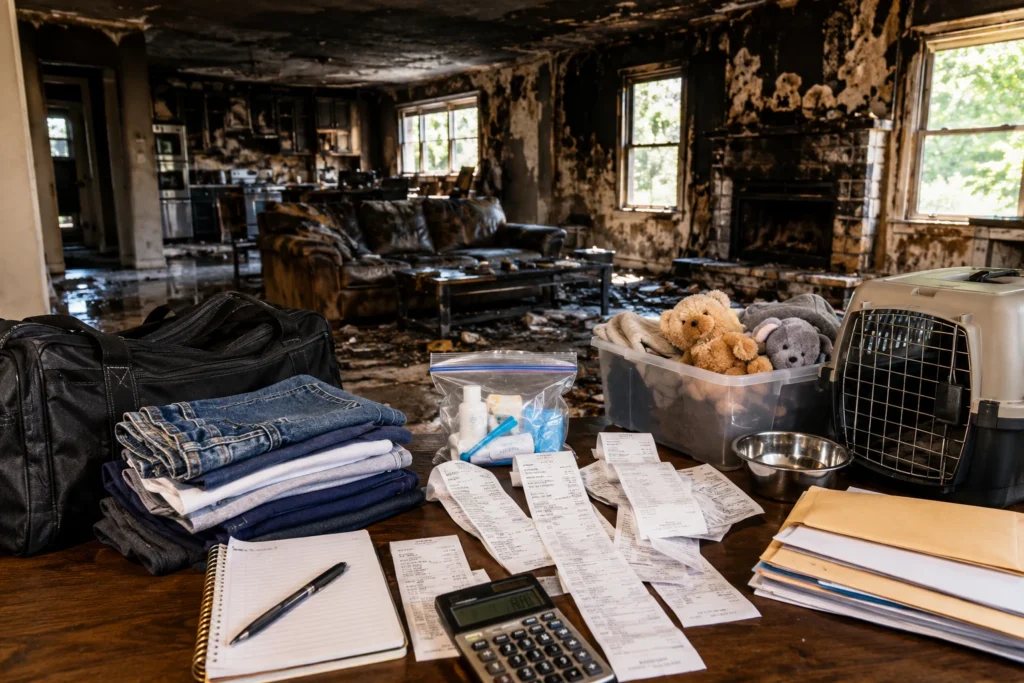
Smoke has a way of reaching places you would never expect. It slips through vents, settles inside walls, clings to furniture, and leaves behind damage that often goes unnoticed until odors linger or materials begin to deteriorate. If your home has been affected by fire or heavy smoke, understanding Smoke Damage Insurance Claims is one of the most important steps you can take toward receiving a fair settlement. Whether the smoke came from a kitchen fire, a neighboring structure, or a wildfire, documenting the damage properly can make a significant difference. Homeowners in Cedar Hill and surrounding communities should know that smoke damage often extends well beyond what the eye can see.
Many homeowners assume that if flames never reached a room, that room escaped damage. Unfortunately, smoke tells a different story. Tiny particles travel rapidly through a home’s air circulation system, coating surfaces with soot while embedding odors into fabrics, insulation, and even electrical components. As a result, restoration frequently involves much more than wiping down walls. Knowing how insurers evaluate losses helps homeowners prepare stronger claims and avoid costly surprises later.
The insurance process can feel overwhelming after experiencing a fire-related event. Between contacting the insurance company, arranging temporary housing, protecting the property from further damage, and organizing documentation, there is a great deal to manage. However, approaching each step methodically can improve both the speed and outcome of your claim. Preparation often becomes one of the strongest tools available to policyholders. If smoke has affected your property, working with a Roof Damage Public Adjuster may also be valuable when the fire has impacted roofing materials alongside interior spaces. Smoke frequently enters attic areas through damaged roofing systems, creating hidden contamination that may not appear during a quick inspection. Addressing both structural and smoke-related issues together often provides a more complete picture of the overall loss.
What Is Smoke Damage?
Smoke damage refers to the contamination left behind after combustion. While flames may burn only a small section of a building, smoke can spread throughout the entire structure within minutes. The resulting residue contains microscopic particles made from burned materials, chemicals, plastics, wood, insulation, and household products. Each type of material produces different residues that require specialized cleaning techniques.
Unlike visible fire damage, smoke contamination often remains hidden. Odors settle deep inside porous materials. Fine soot coats surfaces inside cabinets, behind appliances, and within air ducts. Over time, acidic residues may corrode metal fixtures, discolor painted surfaces, and permanently stain fabrics if they are not cleaned promptly. Because smoke behaves differently depending on temperature, airflow, and the materials burned, every property experiences unique patterns of contamination. This is why a detailed inspection is critical before determining the full scope of repairs.
How Smoke Travels Throughout a Property
Smoke rarely stays where the fire starts. Instead, it follows the path of least resistance, traveling through every available opening.
Warm smoke naturally rises toward upper levels before gradually cooling and settling onto surfaces throughout the structure. Meanwhile, HVAC systems often accelerate the spread by circulating contaminated air into rooms far removed from the original fire.
Common pathways include:
- Heating and cooling ducts
- Wall cavities
- Ceiling spaces
- Electrical openings
- Plumbing penetrations
- Attic access points
- Crawl spaces
- Open stairwells
Even closed doors cannot always prevent smoke migration. Fine particles are capable of entering through surprisingly small gaps around door frames, vents, and utility penetrations. The longer smoke remains inside a building, the deeper contaminants penetrate into materials. Consequently, rapid response significantly improves restoration outcomes.
Common Sources of Smoke Damage
Many homeowners associate smoke damage exclusively with major house fires. In reality, numerous events can generate enough smoke to require extensive cleaning and restoration.
Some of the most common sources include:
- Kitchen cooking fires
- Electrical malfunctions
- Fireplace accidents
- Furnace failures
- Wildfires
- Lightning strikes
- Garage fires
- Neighboring structure fires
- Vehicle fires near the home
- Candle accidents
Even a relatively small stovetop fire can send smoke throughout an entire residence in just a few minutes. Although the flames may be extinguished quickly, microscopic soot particles often continue causing damage long after the fire is out. Wildfires present another growing concern. Homes located miles away from active fires may experience significant smoke infiltration despite never being directly threatened by flames.
Types of Smoke Damage That Insurance Adjusters Look For
Smoke forms through a complex process known as pyrolysis, where heat chemically decomposes materials before or during combustion, producing gases, soot, and smoke particles that spread throughout a property.
Dry Smoke Residue
Dry smoke usually develops during fast-burning, high-temperature fires fueled by materials such as wood or paper.
Characteristics include:
- Fine powdery residue
- Easier surface cleaning
- Less oily texture
- Can still infiltrate porous materials
Although dry smoke may appear less severe, microscopic particles can travel extensively throughout a home.
Wet Smoke Residue
Wet smoke results from slower-burning, low-temperature fires involving rubber, plastics, or synthetic materials.
This residue typically is:
- Thick
- Sticky
- Smears easily
- Difficult to remove
- Highly odorous
Wet smoke often requires specialized cleaning agents because improper wiping may spread contamination across additional surfaces.
Protein Smoke
Protein smoke originates primarily from burned food. Unlike darker soot, protein residue often appears nearly invisible while leaving behind a powerful lingering odor.
It commonly affects:
- Kitchens
- Dining rooms
- Cabinets
- Upholstered furniture
- Draperies
Because the residue is nearly transparent, homeowners sometimes underestimate its presence until odors persist for weeks.
Fuel Oil Smoke
Oil furnace malfunctions occasionally release fuel oil smoke throughout a residence.
This type of contamination can produce:
- Dark greasy residue
- Strong petroleum odor
- Heavy staining
- Extensive HVAC contamination
Fuel oil soot frequently requires professional restoration due to its stubborn nature.
Soot Contamination
Soot consists of extremely fine carbon particles created during incomplete combustion.
These particles can settle on:
- Walls
- Ceilings
- Flooring
- Electronics
- Clothing
- Artwork
- Appliances
Beyond appearance, soot is mildly acidic. Left untreated, it may gradually corrode metals, discolor finishes, and permanently damage surfaces.
Persistent Smoke Odors
Odor itself represents a form of damage.
Smoke molecules become trapped inside porous materials such as:
- Carpeting
- Drywall
- Insulation
- Upholstery
- Mattresses
- Wood framing
- Clothing
Simply masking odors rarely solves the problem. Effective restoration often requires specialized deodorization methods designed to neutralize smoke particles rather than cover them up.
How Smoke Damages Your Home
Smoke damage extends well beyond visible stains. Many building materials absorb contaminants immediately, creating problems that continue long after the initial incident. The combination of soot, acidic residue, moisture, and lingering odor can gradually reduce both the appearance and value of a property if restoration is delayed.
Structural Materials
Wood framing may absorb smoke odors deeply into its fibers. Although structural components often remain physically sound after limited smoke exposure, trapped odors can continue affecting indoor air quality until properly treated. Professional restoration frequently includes sealing exposed framing after cleaning to prevent recurring odors.
Walls and Ceilings
Drywall acts almost like a sponge. Smoke particles settle into painted surfaces, textured ceilings, and joint compound. Depending on the severity of contamination, cleaning alone may not fully restore appearance or eliminate odor.
Signs of wall contamination include:
- Yellow discoloration
- Gray staining
- Persistent smoky smell
- Peeling paint
- Surface residue
Early evaluation helps determine whether cleaning, sealing, or replacement offers the most practical solution.
Flooring
Different flooring materials respond differently to smoke exposure.
| Flooring Type | Common Smoke Damage |
| Hardwood | Odor absorption, finish discoloration |
| Carpet | Deep soot contamination, lingering odor |
| Tile | Grout staining, surface residue |
| Vinyl | Chemical staining, odor retention |
| Laminate | Edge swelling if combined with moisture |
Because carpeting contains countless fibers, it often traps smoke particles much more aggressively than hard surfaces.
Cabinets
Kitchen and bathroom cabinets frequently collect smoke residue inside drawers, hinges, and hidden corners. Wood cabinets may absorb odors into unfinished interior surfaces, while painted cabinets often require careful cleaning to prevent finish damage. Cabinet hardware should also be inspected since acidic soot may begin corroding metal components over time.
HVAC Systems
Heating and cooling systems can spread contamination throughout an otherwise unaffected home. Smoke entering ductwork may circulate soot repeatedly every time the system operates. As a result, professional HVAC cleaning often becomes an important part of restoration after significant smoke exposure.
Inspection commonly includes:
- Supply ducts
- Return ducts
- Air handlers
- Blower motors
- Air filters
- Registers
- Evaporator coils
Ignoring contaminated ductwork may allow odors to persist long after visible cleaning has been completed.
Electrical Components
Smoke residue is conductive under certain conditions and may interfere with sensitive electrical equipment.
Affected items can include:
- Circuit breaker panels
- Wiring connections
- Smoke detectors
- Security systems
- Televisions
- Computers
- Smart home devices
Although electronics may appear functional immediately after exposure, corrosion can gradually develop over time if contaminants remain inside internal components.
Insulation
Insulation is one of the most overlooked areas during Smoke Damage Insurance Claims. Fiberglass, cellulose, and spray foam insulation can trap smoke particles deep within wall cavities and attic spaces. Once contamination becomes extensive, odor removal through cleaning alone may not be possible.
In some situations, replacing affected insulation provides a more effective long-term solution than attempting repeated deodorization treatments. Understanding how thoroughly smoke can infiltrate a property underscores why comprehensive inspections are so important. Visible soot tells only part of the story. The real challenge often lies behind walls, above ceilings, and inside systems homeowners rarely see areas that deserve equal attention during the insurance claims process.
Personal Property Commonly Affected by Smoke
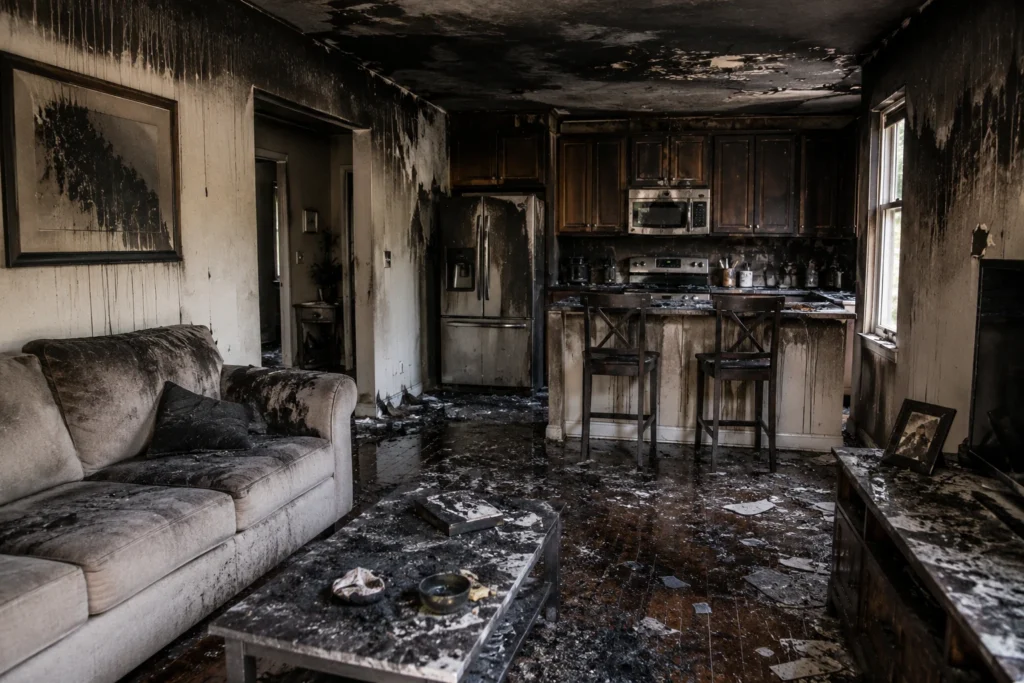
When homeowners think about smoke damage, they often picture stained walls and blackened ceilings. Yet personal belongings frequently suffer just as much. Smoke particles settle on nearly every exposed surface, while odors penetrate fabrics, paper, leather, and wood. Some items can be restored successfully. Others may require replacement depending on the level of contamination.
Creating a complete inventory of damaged belongings is one of the most valuable steps you can take during Smoke Damage Insurance Claims. The more detailed your records are, the easier it becomes to support the value of your losses.
Items commonly affected include:
- Living room and bedroom furniture
- Mattresses and upholstered seating
- Clothing, shoes, and handbags
- Televisions, computers, and gaming systems
- Kitchen appliances
- Jewelry and watches
- Family photographs and important documents
- Artwork and collectibles
- Books and records
- Musical instruments
- Children’s toys
- Home office equipment
Even belongings stored inside closed cabinets or closets may become contaminated because smoke particles can travel through tiny openings. Therefore, avoid assuming that items hidden from view escaped damage.
How Smoke Affects Different Materials
Not every material responds the same way after exposure.
| Material | Typical Smoke Damage |
| Fabric | Odor absorption, staining |
| Leather | Drying, cracking, discoloration |
| Wood | Embedded odors, surface residue |
| Glass | Film buildup, soot deposits |
| Metal | Corrosion from acidic soot |
| Electronics | Internal contamination, corrosion risk |
| Paper | Yellowing, odor retention |
A professional contents restoration company can often determine which belongings can be cleaned safely and which should be replaced.
Does Homeowners Insurance Cover Smoke Damage?
Most standard homeowners insurance policies provide coverage for smoke damage caused by sudden and accidental events. However, the amount of coverage depends on the specific policy language, endorsements, exclusions, and the circumstances surrounding the loss. Understanding what your policy includes before accepting a settlement is essential. Coverage can extend far beyond repairing visible damage if the loss is properly documented.
Covered Causes of Loss
Many policies generally provide coverage when smoke results from events such as:
- Residential fires
- Electrical fires
- Lightning strikes
- Wildfires
- Neighboring structure fires
- Appliance malfunctions
- Accidental cooking fires
Coverage often includes both structural repairs and damage to personal property, provided the loss falls within the policy terms.
Common Policy Exclusions
Although smoke damage is frequently covered, some situations may not qualify.
Possible exclusions include:
- Intentional acts
- Long-term neglect
- Lack of maintenance
- Certain commercial activities
- Wear and tear unrelated to a covered event
Policy wording varies significantly between insurers. Reading the policy carefully or seeking professional guidance can help clarify what is and is not covered.
Replacement Cost vs. Actual Cash Value
One of the most important distinctions in an insurance policy involves how damaged property is valued.
Replacement Cost Value (RCV) generally pays the amount necessary to replace damaged property with similar new items, subject to policy terms and deductibles.
Actual Cash Value (ACV) considers depreciation based on age and condition before the loss.
The difference can be substantial.
For example:
| Coverage Type | Example Payment for a 10-Year-Old Sofa |
| Replacement Cost | Pays current replacement cost |
| Actual Cash Value | Pays replacement cost minus depreciation |
Understanding which valuation method applies helps homeowners set realistic expectations throughout the claims process.
Additional Living Expenses (ALE)
If smoke damage makes the home temporarily uninhabitable, many homeowners policies include Additional Living Expenses (ALE) coverage.
ALE may help pay for reasonable costs such as:
- Hotel accommodations
- Temporary rental housing
- Restaurant meals
- Laundry services
- Additional commuting expenses
- Pet boarding
- Storage units
Keep every receipt. Organized documentation greatly improves reimbursement requests and reduces disputes later.
What To Do Immediately After Smoke Damage
The hours immediately following a fire or smoke event are critical. Decisions made during this period can influence both the restoration process and the outcome of your insurance claim. While every situation is different, following a structured approach helps protect both your property and your financial interests.
Ensure Everyone Is Safe
Safety always comes first. Do not enter a damaged building until emergency personnel confirm it is safe to do so. Hidden structural damage, electrical hazards, and poor air quality can create serious risks even after the flames have been extinguished. If smoke remains heavy inside the property, wear appropriate respiratory protection before entering.
Contact Emergency Services if Needed
Some smoke damage results from incidents that continue to pose hazards after the fire ends.
Depending on the situation, you may need assistance from:
- Fire department personnel
- Utility companies
- Electrical contractors
- Gas providers
- Local building officials
Obtaining official reports from responding agencies may also strengthen your insurance documentation.
Prevent Additional Damage
Insurance policies often require homeowners to take reasonable steps to prevent further damage after a covered loss.
Examples include:
- Boarding broken windows
- Tarping damaged roofing
- Securing exterior doors
- Turning off water if plumbing is affected
- Covering exposed belongings
- Removing standing water used during firefighting
Temporary protective measures should always be documented with photographs and receipts.
Notify Your Insurance Company
Report the loss as soon as reasonably possible.
When contacting your insurance company, be prepared to provide:
- Policy number
- Date of loss
- Cause of the incident
- Property address
- Brief description of damages
- Contact information
Request a claim number and record the name of every representative you speak with.
Keeping a claim journal from the beginning helps create a clear timeline if questions arise later.
Document Everything
Documentation often becomes the strongest evidence supporting Smoke Damage Insurance Claims.
Before cleaning begins, thoroughly photograph every affected area.
Capture:
- Wide-angle room photographs
- Close-up damage images
- Soot accumulation
- Ceiling discoloration
- Damaged furniture
- Electronics
- Appliances
- Exterior damage
- Roof areas if accessible
- Smoke residue inside cabinets
Videos can also provide valuable context by showing the overall condition of the property and demonstrating how extensively smoke has spread.
How To Document Smoke Damage Insurance Claims
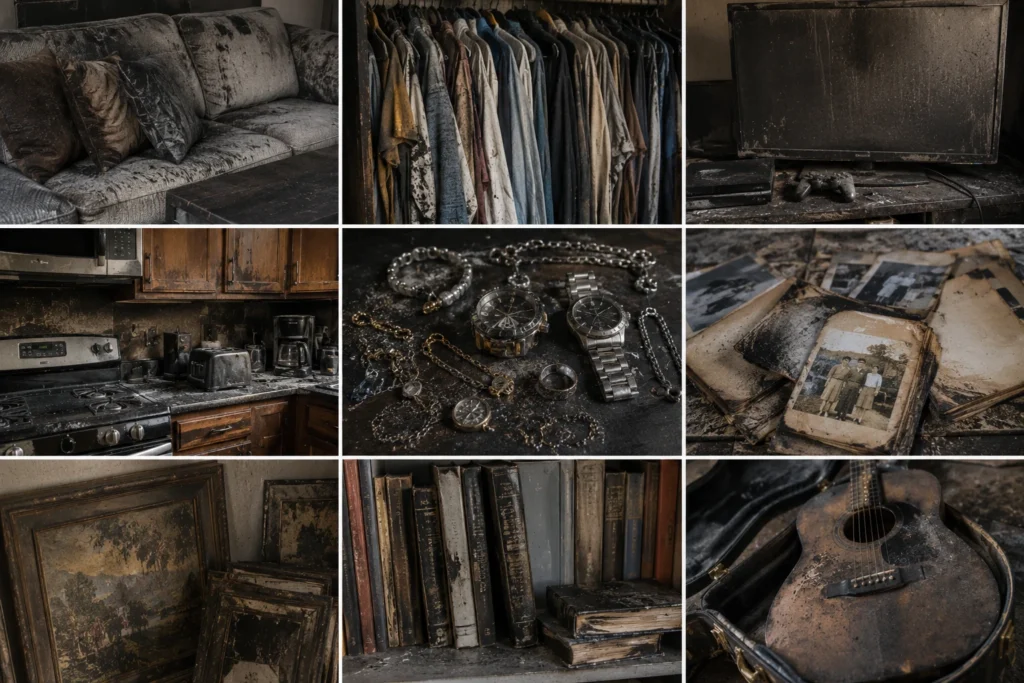
Thorough documentation can make the difference between a straightforward settlement and a prolonged dispute. Insurance companies rely heavily on evidence when evaluating the extent of a loss. The more organized and complete your records are, the easier it becomes to demonstrate the true impact of smoke contamination.
Rather than rushing through the process, treat your documentation as if you are building a detailed case file. Every photograph, receipt, estimate, and note helps create a clearer picture of what happened and why compensation is warranted.
Photograph Every Room
Start with a systematic approach. Photograph each room from multiple angles before moving any belongings or beginning cleanup.
Be sure to include:
- Entire walls
- Ceilings
- Floors
- Windows
- Doors
- Built-in cabinetry
- Light fixtures
- HVAC vents
- Smoke residue on surfaces
Even rooms that appear relatively unaffected should be documented. Smoke often reaches areas that show little visible damage at first glance.
Record Videos
Still photographs capture details, but videos provide additional context. Walk slowly through the property while narrating what you observe. Point out lingering odors, discoloration, soot buildup, damaged belongings, and any visible signs of smoke migration. This visual record may prove especially useful if conditions change during cleanup or restoration.
Prepare a Personal Property Inventory
One of the most time-consuming tasks is listing damaged belongings. However, a detailed inventory strengthens your claim and helps ensure that smaller losses are not overlooked.
Whenever possible, include:
- Item description
- Brand and model
- Purchase date
- Estimated replacement cost
- Original purchase price
- Current condition
- Photographs of the item
Old receipts, credit card statements, user manuals, and family photographs can also help verify ownership.
Save Every Receipt
Expenses accumulate quickly after a fire.
Save receipts for:
- Temporary repairs
- Emergency board-up services
- Roof tarping
- Hotel stays
- Restaurant meals
- Laundry
- Cleaning supplies
- Storage units
- Replacement necessities
Keeping receipts organized by category makes reimbursement requests much easier during the adjustment process.
Obtain Independent Restoration Estimates
Do not rely solely on one estimate. Obtaining evaluations from qualified restoration contractors provides a broader understanding of the scope of work required. Independent estimates can also identify hidden smoke damage that may not appear during an initial inspection. Compare estimates carefully, paying attention to differences in cleaning methods, material replacement, odor removal, and HVAC restoration.
Keep Communication Records
Maintain a dedicated file for every interaction related to the claim.
Record:
- Dates and times of phone calls
- Names of insurance representatives
- Email correspondence
- Inspection appointments
- Contractor reports
- Claim updates
- Settlement discussions
A well-organized communication log helps eliminate confusion and provides valuable documentation if questions arise later in the claims process. By taking the time to document every aspect of the loss, homeowners place themselves in a much stronger position when negotiating with the insurance company. Careful preparation not only supports the value of the claim but also helps ensure that hidden smoke damage receives the attention it deserves before repairs begin.
The Insurance Claims Process Step by Step
Filing an insurance claim after smoke damage can feel overwhelming, especially when you’re already dealing with cleanup, temporary living arrangements, and emotional stress. However, understanding how the process typically unfolds can help you stay organized and avoid unnecessary delays.
While every insurance company follows its own procedures, most Smoke Damage Insurance Claims move through several common stages.
Step 1: Report the Loss
The process begins when you notify your insurance company about the damage. Report the claim as soon as it is safe to do so.
Be prepared to provide:
- Policy number
- Property address
- Date and cause of the incident
- Brief description of the damage
- Emergency contact information
Once the claim is opened, you should receive a claim number. Keep it handy, as you’ll use it throughout the process.
Step 2: Emergency Mitigation
Before permanent repairs begin, emergency measures may be necessary to prevent additional damage.
These temporary actions often include:
- Boarding broken windows
- Installing roof tarps
- Securing damaged doors
- Removing standing water from firefighting efforts
- Stabilizing unsafe areas
Most insurance policies require policyholders to take reasonable steps to protect the property from further damage.
Step 3: Insurance Inspection
An insurance adjuster will schedule a property inspection.
During the visit, the adjuster may:
- Photograph damaged areas
- Measure affected rooms
- Inspect structural components
- Review personal property losses
- Examine smoke migration
- Ask questions about the fire
Although the inspection is thorough, remember that adjusters often work under time constraints. Some hidden damage may not be immediately apparent, making independent inspections valuable in many situations.
Step 4: Damage Documentation
After the inspection, both parties continue gathering documentation.
This may include:
- Restoration estimates
- Contractor evaluations
- Engineering reports
- HVAC inspections
- Contents inventories
- Laboratory testing, when necessary
The stronger the documentation, the easier it becomes to demonstrate the full extent of the damage.
Step 5: Estimate Preparation
The insurance company prepares an estimate outlining the repairs it believes are necessary.
This estimate generally includes:
- Labor costs
- Material pricing
- Cleaning services
- Demolition
- Replacement items
- Taxes
- Overhead and profit, when applicable
Carefully review the estimate. Missing line items or underestimated repair costs can significantly affect the final settlement.
Step 6: Coverage Review
Next, the insurer compares the documented damage with your policy.
Important considerations include:
- Covered causes of loss
- Deductibles
- Policy limits
- Endorsements
- Exclusions
- Personal property coverage
- Additional Living Expenses
Understanding these provisions helps explain why certain items may be approved while others require additional documentation.
Step 7: Settlement Offer
Once the review is complete, the insurance company issues a settlement offer. Do not feel pressured to accept the first offer immediately.
Instead:
- Review the estimate carefully.
- Compare it with contractor proposals.
- Confirm that every damaged area has been addressed.
- Verify that personal property losses are included.
- Ask questions if anything appears incomplete.
Many successful claims involve additional discussions before reaching a final agreement.
Step 8: Restoration and Repairs
After the claim is resolved, restoration work begins. Depending on the severity of the damage, restoration may involve:
- Smoke residue removal
- Odor elimination
- Drywall replacement
- Flooring installation
- Cabinet refinishing
- HVAC cleaning
- Painting
- Electrical repairs
Throughout the restoration process, continue saving invoices and documenting completed work for your records.
Hidden Smoke Damage Insurance Companies May Miss
Smoke damage isn’t always obvious. In fact, some of the most expensive problems develop in areas that homeowners rarely see. Because of this, a quick visual inspection may not identify every affected component. Recognizing these hidden issues helps ensure the scope of repairs reflects the property’s actual condition.
Smoke Inside HVAC Systems
Heating and cooling systems often become pathways for smoke contamination.
Once smoke enters ductwork, every heating or cooling cycle can redistribute soot and odors throughout the home.
Professional inspections typically evaluate:
- Air ducts
- Registers
- Blower motors
- Air handlers
- Coils
- Filters
If contamination remains inside the HVAC system, lingering odors may continue even after the visible damage has been cleaned.
Contaminated Insulation
Insulation absorbs smoke surprisingly well. Whether located inside walls or above ceilings, contaminated insulation can continue releasing odors long after the fire has been extinguished.
Depending on the level of exposure, restoration professionals may recommend:
- Cleaning
- Encapsulation
- Partial replacement
- Complete replacement
Ignoring contaminated insulation may result in recurring odor complaints months after repairs are completed.
Structural Framing
Wood framing often survives fires structurally but still absorbs smoke particles. Without proper treatment, framing can continue releasing odors into the home.
Professional restoration may include:
- HEPA vacuuming
- Specialized cleaning solutions
- Odor-neutralizing treatments
- Encapsulation coatings
These measures help lock in remaining odors while preserving structural integrity.
Air Duct Residue
Even when HVAC equipment appears clean, duct interiors may contain layers of fine soot.
Residue inside ductwork can:
- Reduce indoor air quality
- Spread odors
- Contaminate newly cleaned rooms
- Affect HVAC efficiency
Comprehensive duct cleaning is often recommended following significant smoke exposure.
Electrical Damage
Smoke residue poses risks beyond appearance.
Fine soot particles may enter:
- Electrical outlets
- Breaker panels
- Light fixtures
- Circuit boards
- Smart home devices
Over time, acidic contaminants can contribute to corrosion, increasing the likelihood of future electrical problems.
Odor Embedded in Building Materials
Smoke odor frequently penetrates:
- Drywall
- Wood trim
- Carpet padding
- Ceiling insulation
- Subflooring
- Cabinet interiors
Surface cleaning alone rarely removes deeply embedded odor molecules.
Instead, restoration may require a combination of:
- Thermal fogging
- Hydroxyl treatments
- Ozone treatment (when appropriate)
- Encapsulation
- Material replacement
Proper odor elimination restores comfort while helping preserve long-term property value.
Common Reasons Smoke Damage Insurance Claims Become Underpaid
Even legitimate claims can receive lower settlements than expected. Often, this happens because certain aspects of the damage are overlooked rather than intentionally denied. Understanding common issues allows homeowners to address them before they become costly problems. Some of the most frequent causes include:
Incomplete Property Inspections
Time limitations sometimes prevent inspectors from evaluating every affected area. Hidden damage behind walls, inside attics, or within HVAC systems may require additional investigation.
Limited Documentation
Insurance decisions depend heavily on evidence. Missing photographs, incomplete inventories, or vague repair estimates can reduce the documented value of a claim. Detailed documentation remains one of the strongest tools homeowners possess.
Hidden Damage Not Identified
Smoke often extends far beyond visible soot.
Without specialized inspections, insurers may overlook:
- Insulation contamination
- Electrical residue
- Ductwork contamination
- Structural odor absorption
These overlooked items can significantly increase restoration costs.
Cleaning Instead of Replacement
Some materials simply cannot be restored effectively. Attempting to clean severely contaminated items instead of replacing them may leave homeowners with lingering odors or recurring issues.
Examples include:
- Carpet padding
- Certain upholstered furniture
- Smoke-saturated insulation
- Severely contaminated clothing
Determining whether cleaning or replacement is appropriate often requires professional evaluation.
Depreciation Disputes
Personal property valuations frequently become points of disagreement.
Questions may arise regarding:
- Age of belongings
- Original purchase price
- Replacement cost
- Current market value
Maintaining purchase records and photographs helps support accurate valuations.
Inadequate Repair Estimates
Construction costs change constantly. Older estimating software or incomplete repair scopes may underestimate:
- Labor rates
- Material pricing
- Specialty cleaning
- Odor remediation
- Code-required upgrades
Comparing multiple professional estimates provides a more complete understanding of the property’s restoration needs.
Mistakes Homeowners Should Avoid
The stress following a fire often leads people to make quick decisions. Unfortunately, some of those decisions can complicate Smoke Damage Insurance Claims or reduce the amount ultimately recovered. Avoiding a few common mistakes can make the process smoother and help preserve important evidence.
Throwing Away Damaged Items Too Soon
Smoke-damaged belongings may appear beyond repair, but disposing of them before documentation can weaken your claim.
Whenever possible:
- Photograph the item.
- Record its condition.
- Obtain approval before disposal.
- Keep damaged property available for inspection if requested.
Beginning Permanent Repairs Too Early
Emergency mitigation is appropriate. Permanent reconstruction, however, should generally wait until the damage has been fully documented. Premature repairs may eliminate evidence the insurance company needs to evaluate the claim accurately.
Accepting the First Settlement Without Review
The first settlement offer is not always the final one. Take time to compare the insurer’s estimate with contractor proposals and your own documentation before agreeing to a resolution.
Missing Important Deadlines
Insurance policies often contain time-sensitive requirements.
These may include deadlines for:
- Reporting the loss
- Submitting inventories
- Providing receipts
- Filing supplemental claims
Maintaining an organized calendar helps ensure important dates are not overlooked.
Poor Recordkeeping
A successful claim often depends on organization.
Create dedicated folders for:
- Photographs
- Videos
- Receipts
- Emails
- Estimates
- Inspection reports
- Phone call notes
Well-organized records make it easier to respond quickly if additional information is requested.
Smoke Damage Restoration Explained
Restoring a smoke-damaged property involves far more than cosmetic cleaning. The goal is to remove contaminants, eliminate odors, and return the home to a safe and comfortable condition while preventing long-term deterioration. Professional restoration companies follow a structured process that addresses both visible and hidden damage.
Emergency Cleaning
The first priority is stabilizing the property. Loose soot is carefully removed before it can become permanently embedded in surfaces. Technicians also protect unaffected areas to prevent cross-contamination during cleanup.
Soot Removal
Different surfaces require different cleaning techniques.
Depending on the material, professionals may use:
- Dry sponges
- HEPA vacuum systems
- Specialized detergents
- Chemical cleaning agents
- Abrasive-free methods for delicate finishes
Using the wrong cleaning method can spread soot or permanently stain surfaces, so selecting the appropriate technique is essential.
Odor Elimination
Removing smoke odor is one of the most challenging aspects of restoration. Rather than masking odors with fragrances, professionals focus on neutralizing the microscopic particles responsible for the smell. A combination of cleaning, air filtration, and advanced deodorization methods is often used to achieve lasting results.
Air Purification
Once visible soot has been removed, improving indoor air quality becomes the next priority. Smoke particles can remain suspended in the air long after the fire has been extinguished, particularly if they have settled inside HVAC systems or porous building materials. Professional restoration companies often use commercial-grade air scrubbers equipped with HEPA filtration to capture microscopic particles. In addition, activated carbon filters may be used to absorb odor-causing compounds rather than simply masking them. Depending on the severity of the loss, air purification may continue for several days to ensure contaminants are reduced to acceptable levels.
Structural Cleaning
Smoke residue can settle on nearly every structural component inside a home. Walls, ceilings, exposed framing, trim, doors, cabinets, and flooring all require careful evaluation before restoration begins. Cleaning methods vary depending on the material involved.
For example:
- Painted drywall may require specialized soot sponges followed by cleaning solutions.
- Hardwood trim often needs gentle cleaning to preserve its finish.
- Masonry surfaces may require deep cleaning because soot penetrates tiny pores.
- Metal fixtures should be cleaned promptly to reduce the risk of corrosion.
During this stage, restoration professionals also determine whether cleaning alone is sufficient or if replacement provides the better long-term solution.
Contents Restoration
Many homeowners are surprised by how many personal belongings can be professionally restored after smoke exposure.
Specialized contents restoration companies may clean and deodorize:
- Furniture
- Clothing
- Electronics
- Books
- Artwork
- Family photographs
- Kitchenware
- Decorative items
Each item is evaluated individually based on its material, condition, sentimental value, and restoration cost. Some belongings can be returned to nearly pre-loss condition, while others may be considered non-restorable due to contamination or safety concerns.
Final Verification
Before restoration is considered complete, reputable contractors perform a final inspection to verify that smoke residue and odors have been successfully removed.
Final inspections commonly include:
- Visual examination of repaired areas
- Odor assessment
- HVAC performance checks
- Air quality verification when appropriate
- Moisture testing if water was used during firefighting
- Confirmation that repairs match the approved scope of work
Taking the time to complete this final review helps reduce the likelihood of lingering issues after homeowners return to the property.
How a Public Adjuster Can Help With Smoke Damage Insurance Claims
Managing a property loss while navigating insurance requirements can quickly become overwhelming. Between documenting damage, reviewing estimates, communicating with the insurance company, and monitoring repairs, homeowners often find themselves balancing responsibilities they have never faced before. A public adjuster represents the policyholder rather than the insurance company. Their role is to evaluate the loss, interpret policy language, prepare documentation, and negotiate a settlement based on the covered damages. While every claim is unique, professional representation may provide valuable support during complex Smoke Damage Insurance Claims.
Policy Review
Insurance policies contain numerous provisions that affect how claims are handled.
A detailed review may include:
- Coverage limits
- Deductibles
- Endorsements
- Exclusions
- Replacement Cost provisions
- Actual Cash Value provisions
- Additional Living Expenses
- Personal property coverage
Understanding these provisions helps homeowners make informed decisions throughout the claims process.
Complete Damage Documentation
One of the most important responsibilities involves identifying the full extent of the damage.
This often includes documenting:
- Structural damage
- Smoke contamination
- Soot deposits
- HVAC contamination
- Personal property losses
- Hidden odor infiltration
- Additional restoration requirements
Thorough documentation supports a more accurate estimate of the loss.
Independent Estimating
Independent repair estimates provide another layer of evaluation. Rather than relying solely on one inspection, multiple qualified professionals may assess:
- Construction costs
- Material replacement
- Cleaning requirements
- Code upgrades
- Specialized restoration services
Comparing multiple estimates helps ensure that significant repair items are not overlooked.
Negotiating With the Insurance Company
Insurance claims sometimes involve differences of opinion regarding repair methods, pricing, or the extent of the damage. A public adjuster communicates directly with the insurance company regarding:
- Scope of repairs
- Coverage questions
- Supporting documentation
- Supplemental claims
- Settlement negotiations
The goal is to help ensure the claim accurately reflects the covered loss under the policy.
Managing Claim Deadlines
Insurance claims often involve numerous deadlines.
These may include:
- Inventory submissions
- Estimate revisions
- Supplemental documentation
- Proof of loss requirements
- Repair scheduling
Staying organized reduces unnecessary delays and helps keep the claim moving forward.
Helping Maximize the Settlement
Every claim is different, but one consistent objective remains the same: ensuring that all covered damages are properly documented and evaluated.
A well-prepared claim often includes:
- Detailed photographs
- Contractor estimates
- Restoration reports
- Contents inventories
- Supporting receipts
- Professional inspections
The stronger the documentation, the easier it becomes to support the value of the claim.
Smoke Damage Insurance Claims for Homeowners in Cedar Hill
Fire and smoke losses affect homeowners in every community, and Cedar Hill is no exception. Whether the source is a residential fire, an electrical malfunction, a nearby structure fire, or drifting wildfire smoke, acting quickly after the incident can significantly improve the restoration process. Prompt inspections allow restoration professionals to identify hidden smoke contamination before it causes long-term deterioration. Likewise, homeowners who begin documenting damage immediately are often better prepared when meeting with insurance representatives.
In addition to photographing visible damage, homeowners should retain every receipt, estimate, and communication related to the claim. Organized records provide valuable evidence if questions arise regarding repair costs or personal property losses. Working with experienced restoration contractors also helps ensure that smoke contamination inside ductwork, insulation, wall cavities, and other concealed spaces receives appropriate attention instead of being overlooked during initial inspections.
Frequently Overlooked Expenses You May Be Able to Claim
Many homeowners focus only on repairing the structure itself. However, insurance policies often provide coverage for additional costs that arise because the home cannot be safely occupied during restoration.
Depending on your policy, eligible expenses may include:
- Temporary housing
- Hotel accommodations
- Restaurant meals
- Laundry services
- Pet boarding
- Storage unit rentals
- Moving expenses
- Emergency board-up services
- Roof tarping
- Professional cleaning
- Smoke odor remediation
- HVAC cleaning
- Debris removal
- Replacement of contaminated household items
Saving detailed receipts for each expense makes reimbursement requests much easier and helps demonstrate that the costs were directly related to the covered loss.
Final Thoughts
Recovering from a fire involves far more than repairing visible damage. Smoke can travel throughout a home in minutes, affecting structural materials, personal belongings, HVAC systems, insulation, and indoor air quality. Because many forms of contamination remain hidden, careful inspections and thorough documentation play a critical role in successful Smoke Damage Insurance Claims.
Although the insurance process may seem complicated at first, taking a systematic approach makes it much more manageable. Document every affected area, create detailed inventories, save receipts, review repair estimates carefully, and keep organized records of every conversation related to the claim. Small details often have a meaningful impact on the final settlement. When questions arise about the scope of damage or the adequacy of a settlement offer, obtaining independent evaluations can provide additional clarity and confidence. The goal is not simply to repair what is visible but to restore the property completely so that hidden smoke contamination does not continue causing problems in the future.
For homeowners in Cedar Hill, understanding the claims process before disaster strikes can make all the difference. With prompt action, thorough documentation, and informed decision-making, you can navigate smoke-related property losses more effectively and work toward restoring both your home and your peace of mind. In the end, successful Smoke Damage Insurance Claims are built on preparation, accurate documentation, and persistence. By approaching each step carefully and ensuring that every covered loss is properly identified, homeowners place themselves in the strongest possible position to achieve a fair insurance settlement.
FAQs
Smoke damage includes soot, odors, discoloration, and contamination caused by a covered fire or smoke event that affects your home or belongings.
The timeline varies depending on the extent of the damage and the complexity of the claim, but many claims take several weeks to a few months to resolve.
In many cases, yes. If smoke from a neighboring fire damages your property, your homeowners insurance may provide coverage, subject to your policy terms.
Yes. Smoke residue can cause internal corrosion over time, potentially leading to future malfunctions even if the electronics initially appear to function normally.
Avoid extensive cleaning until the damage has been documented. You may take reasonable steps to prevent further damage, but preserve evidence whenever possible.
Save photographs, videos, receipts, repair estimates, hotel bills, temporary repair invoices, emails, and notes from conversations with your insurance company.
Many policies cover professional odor removal if the smoke damage resulted from a covered peril, although coverage depends on your specific policy.
Yes. Smoke particles can circulate through ductwork and contaminate multiple rooms, making professional HVAC inspection and cleaning an important part of restoration.
Review the estimate carefully, obtain independent contractor estimates, and provide additional documentation if you believe covered damage has been overlooked.
If your claim is complex, involves significant damage, or you’re having difficulty reaching a fair settlement, a public adjuster may help document and negotiate your claim.