
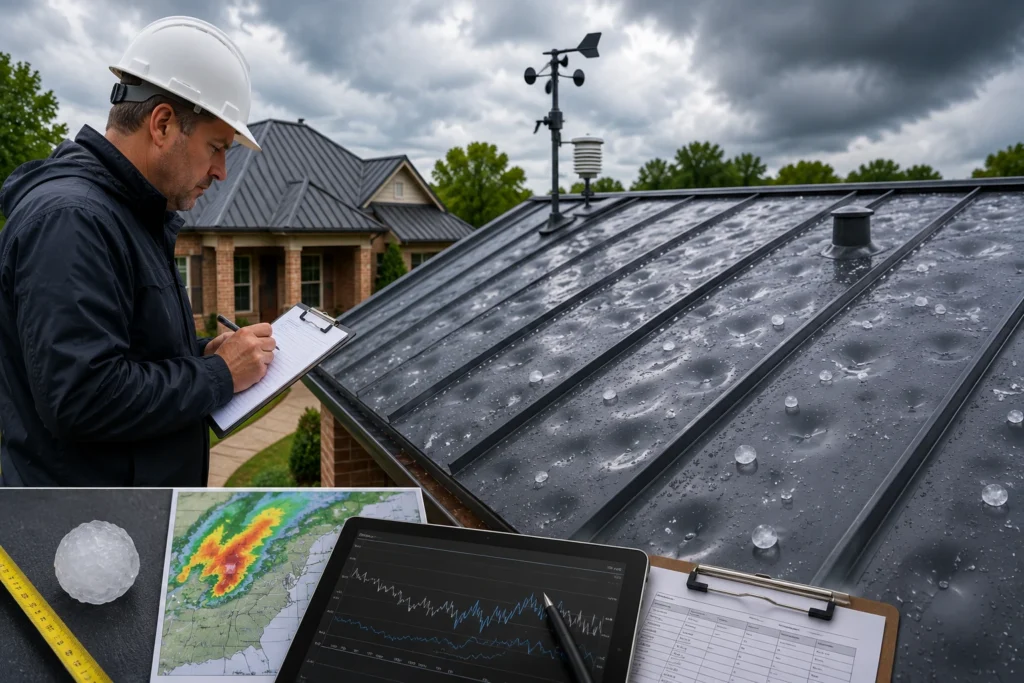
Metal roofs have earned a reputation for strength, longevity, and impressive resistance to severe weather. Still, one question continues to surface after every major storm: will insurance pay hail damage metal roof? The answer is often yes but not automatically. Insurance companies evaluate several factors before approving a claim, including the type of damage, the wording of your policy, and the evidence you provide. If you own a home in Cedar Hill, understanding how the claims process works can make a significant difference when it comes to protecting your investment.
Hailstorms are unpredictable. One neighborhood may escape with little more than scattered leaves, while another experiences thousands of dollars in roofing damage within minutes. Although metal roofing systems generally outperform many traditional roofing materials, they are not indestructible. Large hailstones, high winds, and repeated impacts can leave lasting damage that deserves professional attention. Many homeowners assume that visible dents automatically qualify for insurance coverage. Others believe metal roofs never sustain enough damage to justify filing a claim. Both assumptions can be costly. Insurance policies often distinguish between cosmetic damage and functional damage, and understanding that difference is essential before contacting your insurer or authorizing repairs.
If you’re facing uncertainty after a storm, working with a Roof Damage Public Adjuster can help you understand your policy, organize supporting documentation, and present a stronger claim. Professional guidance often becomes especially valuable when damage is disputed or when insurers question whether repairs or replacement are necessary. Throughout this guide, we’ll explore how insurers evaluate hail damage on metal roofs, what evidence strengthens a claim, why some claims are denied, and what practical steps homeowners can take immediately after a storm. The goal isn’t simply to answer whether insurance may provide coverage. It’s to help you make informed decisions that protect both your roof and your financial interests.
What Makes Metal Roofs Resistant to Hail?
Metal roofing has become increasingly popular because it combines durability with long service life. While no roofing material can eliminate every risk, metal offers several advantages that help reduce storm-related damage.
Why Metal Roofing Performs Better Than Asphalt
Unlike many asphalt shingles that can crack, tear, or lose granules during severe weather, metal panels distribute impact across a larger surface. This helps minimize structural damage from hail and flying debris.
Some of the primary advantages include:
- Excellent impact resistance
- Long expected lifespan
- Superior wind resistance
- Reduced maintenance requirements
- Better fire resistance
- Improved energy efficiency
Many premium metal roofing systems are specifically engineered to withstand repeated exposure to severe weather. However, “resistant” does not mean “damage-proof.”
Can Metal Roofs Still Be Damaged?
Absolutely.
Even high-quality roofing materials can suffer damage when hailstones become large enough or when storms combine hail with strong winds.
Common forms of hail damage include:
- Surface dents
- Scratches in protective coatings
- Chipped paint finishes
- Damaged flashing
- Loose fasteners
- Bent seams
- Panel distortion
- Water intrusion caused by compromised components
Some of these issues are immediately obvious. Others develop gradually and may not become noticeable until moisture begins entering the home.
Does Homeowners Insurance Cover Metal Roof Hail Damage?
This is where many homeowners become confused. Most homeowners insurance policies provide coverage for sudden and accidental weather events, including hail. However, coverage depends on the specific language contained within the policy.
When Insurance Usually Pays
Insurance companies commonly approve claims when several conditions exist.
The damage generally must:
- Result from a covered hailstorm
- Be sudden rather than gradual
- Affect the roof’s functionality
- Be properly documented
- Be reported within the policy’s required timeframe
If these conditions are satisfied, insurers often approve repairs or even replacement depending on the severity of the loss. Policies that provide Replacement Cost Value (RCV) generally reimburse the cost to replace damaged materials with comparable new materials, subject to deductibles and policy limits. Actual Cash Value (ACV) policies, however, typically account for depreciation before calculating payment. As a result, older roofs often receive smaller settlements under ACV coverage.
When Insurance May Deny Coverage
Unfortunately, not every claim receives approval. Insurance companies frequently deny claims involving:
- Normal aging
- Corrosion
- Rust
- Deferred maintenance
- Improper installation
- Manufacturing defects
- Damage that existed before the storm
The insurer’s goal is determining whether hail directly caused the claimed damage. If evidence points elsewhere, coverage may be limited or denied entirely.
Cosmetic Damage vs. Functional Damage
One of the biggest issues surrounding metal roof claims involves distinguishing between cosmetic and functional damage. This distinction can dramatically influence whether insurance pays.
Understanding Cosmetic Damage
Cosmetic damage changes the roof’s appearance without reducing its ability to protect the structure.
Examples include:
- Small dents
- Minor dings
- Surface scratches
- Paint imperfections
- Slight discoloration
Although these defects may reduce curb appeal, insurers sometimes classify them as non-covered cosmetic issues depending on policy language.
Understanding Functional Damage
Functional damage affects the roof’s performance.
Examples include:
- Torn flashing
- Bent locking seams
- Punctured panels
- Loose fasteners
- Damaged sealants
- Open pathways allowing water intrusion
These conditions increase the risk of leaks and structural deterioration. Consequently, insurers are generally more likely to approve repairs when functional damage is documented.
Why the Difference Matters
Imagine two roofs after the same hailstorm. One roof has shallow dents but remains completely watertight. The other appears similar from the ground, yet closer inspection reveals damaged seams allowing rainwater beneath the panels. The first claim may receive limited coverage. The second may qualify for substantial repairs or replacement because the roof’s protective function has been compromised. Professional inspections help identify problems homeowners cannot safely detect themselves.
Types of Metal Roof Damage Caused by Hail
Different roofing systems respond differently to hail impacts. Understanding your roof type helps explain why repair recommendations may vary.
Standing Seam Metal Roofs
Standing seam roofs feature raised vertical seams that lock adjacent panels together.
Potential hail damage includes:
- Panel dents
- Bent seams
- Damaged clips
- Distorted panel alignment
Because these roofs rely on precision connections, even moderate impacts can occasionally affect performance.
Corrugated Metal Roofing
Corrugated panels contain repeating ridges that increase structural strength.
Common hail damage includes:
- Flattened ridges
- Surface indentations
- Loose fasteners
- Minor coating damage
Fortunately, their ribbed design often helps disperse impact energy.
Stone-Coated Steel Roofing
Stone-coated steel combines steel panels with textured protective coatings.
Possible hail-related issues include:
- Granule loss
- Coating fractures
- Panel dents
- Impact damage around edges
Damage to protective coatings may accelerate weathering if left unaddressed.
Aluminum Roofing
Aluminum resists corrosion exceptionally well but is generally softer than steel. As a result, aluminum roofs may develop dents more easily during severe hailstorms, even when structural integrity remains intact.
Copper Roofing
Copper offers remarkable longevity and develops a distinctive protective patina over time. Large hailstones can still produce visible dents or deform decorative architectural features. While cosmetic changes may not reduce performance, they can significantly affect appearance.
Factors Insurance Companies Consider During Inspection
Insurance adjusters rarely base decisions on a single photograph. Instead, they evaluate multiple factors before determining coverage.
Size of the Hail
Larger hailstones naturally carry greater impact energy. Meteorological reports often help verify whether storm conditions were capable of producing damage consistent with the claim.
Wind Speed
Wind influences both the force and direction of hail impacts. Strong crosswinds can produce concentrated damage on specific roof slopes while leaving others relatively untouched.
Roof Age
Older roofs often exhibit natural wear unrelated to hail. Adjusters attempt to separate age-related deterioration from fresh storm damage.
Roof Condition Before the Storm
Maintenance history matters. A roof that was well maintained before the storm generally presents stronger evidence when sudden new damage appears afterward. Inspection reports completed before major storms can become valuable supporting documentation.
Installation Quality
Poor workmanship complicates claims. If panels were improperly fastened or flashing was incorrectly installed, insurers may attribute certain failures to installation deficiencies rather than hail.
Local Weather Reports
Weather records provide objective evidence. Insurers frequently compare inspection findings with local storm data to determine whether hail sizes reported in the area align with the damage observed on the roof.
How Insurance Adjusters Inspect Metal Roofs
Insurance inspections involve much more than a quick visual assessment. Adjusters follow systematic procedures designed to identify storm-related damage while distinguishing it from unrelated conditions.
Exterior Inspection
The inspection usually begins with a thorough evaluation of every accessible roof section.
Adjusters examine:
- Roof panels
- Ridge caps
- Flashing
- Gutters
- Downspouts
- Roof penetrations
- Vent boots
- Skylights
Each component may provide clues regarding hail direction, storm intensity, and the overall extent of damage.
Interior Inspection
Roof damage sometimes becomes apparent inside the home before exterior problems are obvious.
Adjusters may inspect:
- Attics
- Ceiling stains
- Moisture intrusion
- Insulation
- Structural framing
Water entering through damaged roofing components often leaves visible evidence indoors.
Measuring Impact Marks
Many adjusters document:
- Number of impacts
- Diameter of dents
- Depth of indentations
- Distribution across roof slopes
These measurements help determine whether damage is isolated or widespread.
Documentation Methods
Modern inspections frequently include:
- High-resolution photography
- Drone imagery
- Moisture detection equipment
- Digital measurement software
- Written inspection reports
Detailed documentation creates a clearer picture of the roof’s condition and often becomes a critical part of the claims process.
Signs You Should File a Hail Damage Claim
Not every storm requires an insurance claim, but several warning signs deserve immediate attention.
Consider scheduling a professional inspection if you notice:
- Visible dents across roof panels
- Damaged flashing
- Loose or lifted metal panels
- Water stains on ceilings
- New roof leaks
- Damaged gutters or downspouts
- Cracked skylights
- Interior moisture after a hailstorm
Even seemingly minor problems can develop into expensive repairs if moisture begins penetrating beneath the roofing system.
What to Do Immediately After a Hailstorm
The hours following a severe hailstorm often determine how smoothly your insurance claim proceeds. Start by putting safety first. Never climb onto a roof while conditions remain hazardous or when hidden structural damage may exist. Next, perform a careful visual inspection from ground level. Photograph visible damage to the roof, gutters, siding, windows, outdoor equipment, and any personal property affected by the storm. Capture wide-angle images as well as close-up photographs whenever possible.
If active leaks develop, take reasonable steps to prevent additional damage. Temporary measures such as placing containers beneath leaks or covering exposed belongings can help reduce further losses while preserving evidence. Finally, arrange for a professional roof inspection as soon as practical. A qualified inspector can identify damage that may not be visible from the ground, document the roof’s condition thoroughly, and provide valuable information before the insurance adjustment process begins.
Documentation That Strengthens Your Claim
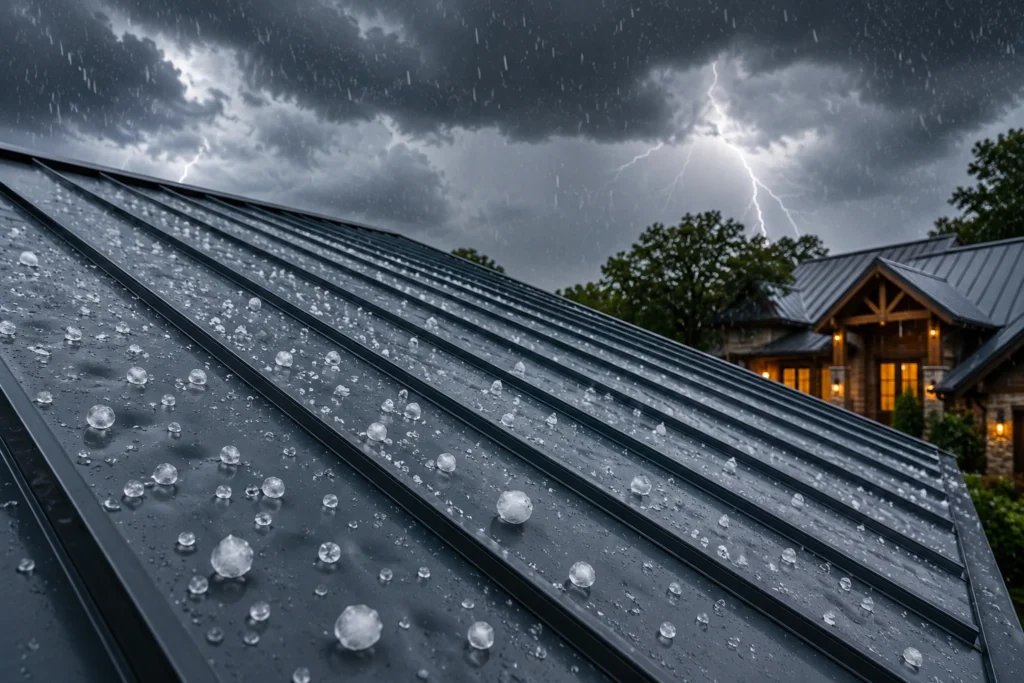
Strong documentation often separates successful insurance claims from frustrating disputes. Insurance companies rely on evidence, not assumptions. The more organized your records are, the easier it becomes to demonstrate that hail not age or neglect caused the damage.
Start building your claim file immediately after the storm. Include clear photographs, videos, inspection reports, repair estimates, maintenance records, and any communication with your insurance company. Weather reports showing the date and severity of the storm can also reinforce your claim.
A well-organized claim file may include:
- Time-stamped photographs of the roof and surrounding property
- Videos showing dents, loose panels, or damaged flashing
- Professional roof inspection reports
- Contractor repair or replacement estimates
- Previous maintenance records
- Insurance policy documents
- Copies of emails and letters exchanged with the insurer
- Receipts for temporary emergency repairs
Keeping everything together allows you to respond quickly if the insurer requests additional information during the investigation.
Common Reasons Metal Roof Hail Claims Are Denied
Receiving a denial can be discouraging, but understanding the insurer’s reasoning helps homeowners prepare stronger claims. One of the most common reasons involves cosmetic damage exclusions. Some policies specifically state that dents affecting only appearance are not covered. Even when dents are widespread, the insurer may argue the roof continues to perform its intended function.
Another frequent issue is insufficient evidence. If photographs are unclear or inspections occur months after the storm, it becomes more difficult to connect the damage to a specific weather event. Late reporting can also create unnecessary complications. Waiting too long may allow additional deterioration, making it harder to distinguish storm damage from normal aging.
Policy exclusions deserve careful attention as well. Certain endorsements limit coverage for older roofs, particular metal roofing systems, or cosmetic damage. Poor maintenance is another factor. Rust, corrosion, or neglected repairs can weaken a claim if the insurer concludes those issues contributed to the roof’s condition before the hailstorm. Improper installation occasionally becomes part of the discussion too. Loose fasteners, incorrectly installed flashing, or defective workmanship may shift responsibility away from the insurance company.
Repair or Replace? How Insurance Companies Decide
Not every damaged roof requires complete replacement. Insurance companies generally compare the extent of the damage with the cost of restoring the roof to its pre-loss condition. Minor dents confined to a few panels may only require localized repairs. If replacement panels are readily available and the roof can be restored without affecting performance, repairs are often considered sufficient.
However, widespread impact damage presents a different situation. Multiple compromised panels, damaged seams, or extensive water intrusion may justify partial or full replacement depending on the policy and the inspection findings. The availability of matching materials can also influence the decision. Older roofing systems sometimes use discontinued products that cannot be matched properly, making replacement a more practical solution.
| Roof Condition | Likely Insurance Response |
| Small cosmetic dents | May not be covered or may receive limited payment |
| Minor functional damage | Targeted repairs |
| Several damaged panels | Partial replacement |
| Water intrusion through damaged seams | Extensive repairs or replacement |
| Widespread structural damage | Full roof replacement may be justified |
Every claim is unique. The insurer ultimately evaluates whether repairs can reasonably restore the roof’s appearance, function, and expected lifespan.
Replacement Cost Value vs. Actual Cash Value
Understanding your policy type helps set realistic expectations before settlement discussions begin. Replacement Cost Value (RCV) policies generally reimburse the cost of repairing or replacing damaged materials with comparable new materials, subject to deductibles and policy limits. Actual Cash Value (ACV) policies work differently. They reduce payment based on depreciation, meaning the age and condition of the roof directly affect the settlement amount. The difference can be significant.
| Coverage Type | Payment Basis |
| Replacement Cost Value (RCV) | Cost to replace with comparable new materials |
| Actual Cash Value (ACV) | Replacement cost minus depreciation |
Before filing a claim, review your declarations page and policy language carefully. Knowing which valuation method applies allows you to better understand how your insurer may calculate payment.
The Role of a Public Adjuster in Metal Roof Hail Claims
Insurance adjusters employed by insurance companies represent the insurer’s interests. A public adjuster works exclusively for the policyholder. That distinction becomes especially valuable when a claim involves disputed hail damage, matching issues, or questions about whether repairs are sufficient. A public adjuster typically begins by reviewing the insurance policy to identify relevant coverage provisions, exclusions, deductibles, and settlement language.
Next comes an independent evaluation of the roof. Rather than relying solely on the insurer’s inspection, the public adjuster documents the full extent of the damage and prepares supporting evidence. Documentation remains one of the strongest tools during negotiations. Inspection reports, photographs, measurements, contractor estimates, and weather data are organized into a comprehensive claim package designed to support the homeowner’s position. Negotiations then focus on achieving a fair settlement based on the policy language and documented damage. For many homeowners in Cedar Hill, having an experienced advocate can provide greater confidence throughout what is often a complex claims process.
Tips to Maximize Your Insurance Settlement
Small decisions made after a storm can significantly influence the outcome of your claim.
Consider these practical steps:
- Report the claim as soon as reasonably possible.
- Photograph everything before repairs begin.
- Save damaged materials if it is safe to do so.
- Maintain copies of every inspection report.
- Keep receipts for emergency mitigation work.
- Review your insurance policy before accepting a settlement.
- Communicate with your insurer in writing whenever practical.
- Ask questions if inspection findings seem incomplete.
- Obtain independent repair estimates for comparison.
- Avoid authorizing permanent repairs before the insurer completes its inspection unless emergency conditions require immediate action.
Taking these steps demonstrates diligence and helps reduce misunderstandings during the adjustment process.
Preventing Future Hail Damage
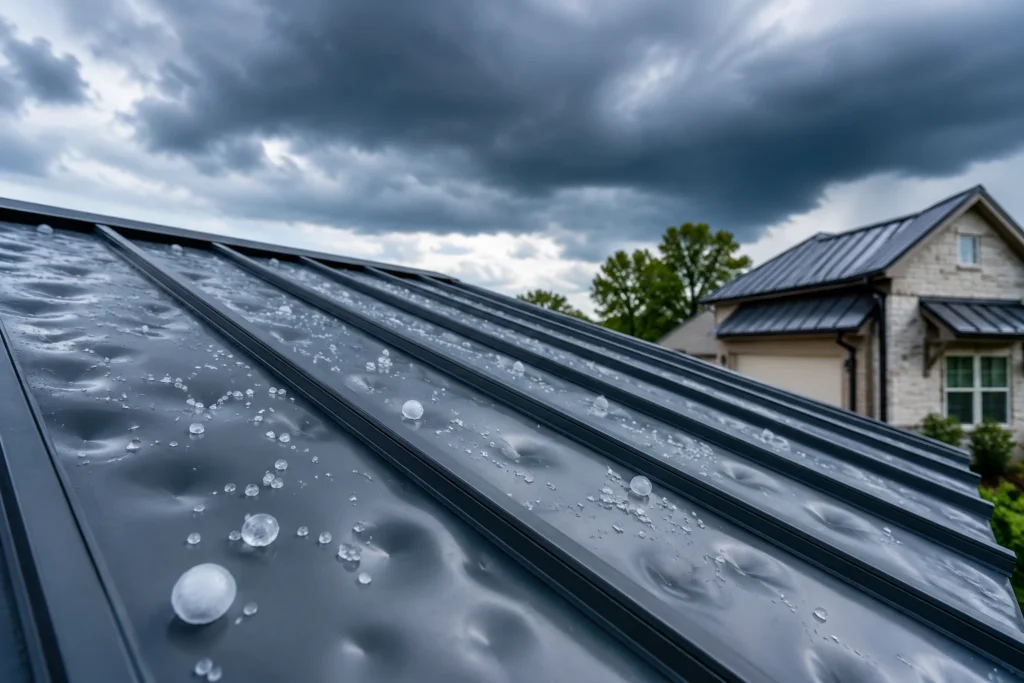
Although no roof can completely eliminate storm risk, proactive maintenance reduces the likelihood of severe losses. Choose impact-rated roofing materials whenever replacement becomes necessary. Many modern metal roofing systems are designed to withstand substantial impacts while maintaining structural integrity.
Schedule professional roof inspections annually and after significant storms. Small issues discovered early are usually less expensive to address than major repairs caused by prolonged water intrusion. Trim tree branches hanging over the roof. Falling limbs during hailstorms can create additional damage that might otherwise have been avoided.
Inspect sealants, flashing, fasteners, and roof penetrations regularly. These components often experience wear before the metal panels themselves. Finally, review your insurance coverage every year. Policies evolve, endorsements change, and deductibles may increase over time. Understanding your protection before the next storm arrives allows you to make informed decisions rather than rushed ones. For readers interested in the scientific study of how materials respond to external forces and repeated impacts, the concept of Materials science provides valuable background on the properties that influence the performance of modern roofing systems.
Conclusion
Returning to the original question will insurance pay hail damage metal roof the answer depends on far more than whether dents are visible. Coverage is influenced by your policy language, the distinction between cosmetic and functional damage, the quality of your documentation, and the findings of the inspection. The good news is that many legitimate hail claims are covered when homeowners act promptly and present clear evidence. Thorough photographs, professional inspections, organized records, and a solid understanding of your insurance policy all contribute to a stronger claim. If your metal roof has been struck by hail, avoid making assumptions based solely on appearance. Some of the most serious problems occur beneath the surface, where damaged seams, flashing, or fasteners may eventually allow moisture into the home. A timely inspection can identify those issues before they become larger and more expensive.
Homeowners should also remember that settlement discussions are not always straightforward. If questions arise regarding coverage, repair scope, or claim valuation, seeking experienced guidance may help clarify your options and ensure the claim is evaluated fairly. Whether your roof requires minor repairs or complete replacement, informed decisions lead to better outcomes. By understanding how insurers assess hail damage and by maintaining detailed documentation throughout the process, you place yourself in the strongest possible position to protect both your property and your investment. For homeowners in Cedar Hill, acting quickly after a severe hailstorm and understanding your policy can make all the difference when pursuing a successful insurance claim.
FAQs
Most homeowners insurance policies cover hail damage if it results from a covered storm and the damage is not excluded under the policy.
It depends on your policy. Some insurers cover only functional damage, while others may exclude cosmetic dents.
A professional roof inspection can identify damaged seams, flashing, fasteners, or punctures that may lead to leaks and qualify for coverage.
The deadline varies by policy and state law, so review your insurance policy and report the damage as soon as possible after the storm.
Only perform temporary emergency repairs to prevent further damage. Wait until the insurance company has inspected the roof before making permanent repairs whenever possible.
Clear photos, videos, professional inspection reports, weather reports, maintenance records, and repair estimates can all strengthen your claim.
Yes. Claims may be denied due to policy exclusions, insufficient evidence, wear and tear, poor maintenance, or damage unrelated to the hailstorm.
Older roofs may receive lower payouts under Actual Cash Value policies because depreciation is considered when calculating the settlement.
A public adjuster can review your policy, document the damage, and negotiate with the insurance company if your claim is complex or disputed.
Yes. Severe hail can damage seams, fasteners, or structural components that compromise the roof’s long-term performance, even if leaks have not yet appeared.