
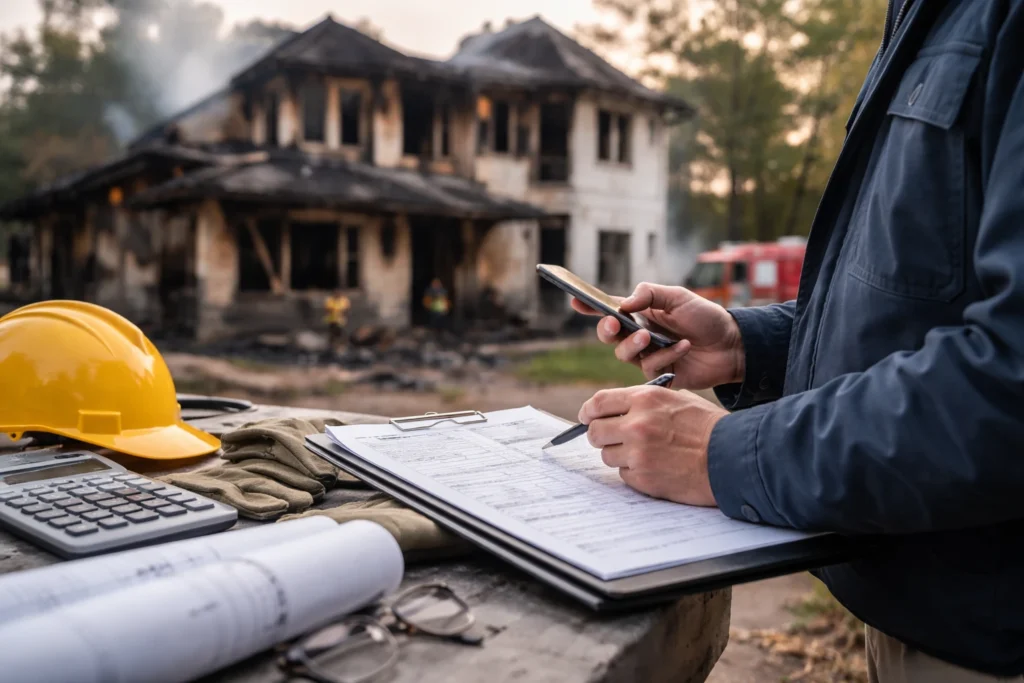
A house fire changes everything in minutes. One moment, life feels normal. The next, you’re dealing with smoke, damage, and a long list of decisions. This is where a fire insurance adjuster becomes critical. They step into the chaos and bring structure, clarity, and most importantly strategy to your claim.
If you’re in Cedar Hill and facing fire damage, you’re not just filing paperwork. You’re fighting for a fair settlement. And the truth? Insurance companies have experts working for them. You should too. Let’s break this down.
What Is a Fire Insurance Adjuster?
A fire insurance adjuster is a professional who evaluates fire damage and determines how much an insurance company should pay on a claim. Simple definition. Big impact.
There are three main types of adjusters you’ll encounter:
- Insurance Company Adjuster
- Works directly for your insurer
- Protects the company’s financial interests
- Independent Adjuster
- Contracted by insurance companies
- Still represents the insurer, not you
- Public Adjuster
- Works exclusively for you, the policyholder
- Focuses on maximizing your settlement
If you want professional help navigating your claim, working with a trusted Cedar Hill Public Adjuster ensures you have someone advocating fully for your best outcome.FV
What Does a Fire Insurance Adjuster Actually Do?
In some cases, visual confusion can even affect early inspections similar to how the brain interprets patterns in unexpected ways, a concept known as pareidolia.
Here’s what that looks like in real terms:
- Conduct a detailed property inspection
- Document fire, smoke, and water damage
- Assess structural integrity
- Estimate repair or replacement costs
- Review your insurance policy line by line
- Negotiate directly with the insurance company
They’re not guessing. They’re calculating. And every detail they capture or miss can affect your payout.
Fire Insurance Adjuster vs Public Adjuster
Let’s make this crystal clear.
| Feature | Insurance Adjuster | Public Adjuster |
| Works For | Insurance Company | You |
| Goal | Minimize payout | Maximize payout |
| Advocacy | Limited | Full representation |
| Negotiation | For insurer | For policyholder |
Here’s a quick scenario.
- Insurance adjuster estimate: $85,000
- Public adjuster estimate: $135,000
That gap? It happens more often than people expect. Why? Because damage is rarely as simple as it looks on the surface. Smoke travels. Heat weakens structures. Water creates hidden issues. A skilled fire insurance adjuster working for you knows where to look.
When Should You Hire a Fire Insurance Adjuster?
Timing matters. A lot. You don’t wait until things get complicated. You act early.
Consider hiring a fire insurance adjuster if:
- The fire caused significant structural damage
- You’re dealing with smoke or water complications
- The insurance company is slow to respond
- You feel overwhelmed by the process
- The initial offer seems low
Here’s the truth. Once you accept a settlement, you usually can’t go back. So getting it right the first time isn’t optional. It’s essential.
Step-by-Step Fire Insurance Claims Process
Let’s walk through what actually happens after a fire.
1. Emergency Response
Safety comes first. Secure the property and prevent further damage.
2. Notify Your Insurance Company
File your claim quickly. Delays can complicate things.
3. Initial Inspection
The insurance company sends a fire insurance adjuster to evaluate damage.
4. Documentation Phase
Photos, videos, inventory lists. Everything matters.
5. Estimate Preparation
Repair and replacement costs are calculated.
6. Negotiation
This is where outcomes are decided.
7. Settlement
Final payout is issued ideally reflecting the full extent of your loss. Each step builds on the last. Miss something early, and it can cost you later.
Common Challenges in Fire Damage Claims
Fire claims are rarely straightforward. Here’s what often goes wrong:
- Undervalued Damage
Surface-level inspections miss deeper issues - Hidden Smoke Damage
Smoke penetrates walls, insulation, and HVAC systems - Water Damage Overlooked
Firefighting efforts can cause significant secondary damage - Policy Confusion
Coverage limits and exclusions aren’t always obvious - Delays and Disputes
Claims drag on while homeowners wait
It’s frustrating. And exhausting. In some cases, visual confusion can even affect early inspections similar to how the brain interprets patterns in unexpected ways, a concept known as which is why detailed, methodical documentation is so important. That’s why having a knowledgeable fire insurance adjuster on your side changes the dynamic.
How a Fire Insurance Adjuster Maximizes Your Claim
This is where expertise pays off literally. A skilled adjuster doesn’t just document damage. They uncover it.
Here’s how they increase your settlement:
- Thorough Documentation
Every damaged item is recorded and valued - Detailed Estimates
Accurate pricing using industry tools - Policy Interpretation
Finding coverage you might not realize applies - Negotiation Leverage
Presenting evidence-backed claims - Persistence
Pushing back on low offers
Think of it like this. The insurance company speaks a certain language. A fire insurance adjuster speaks it fluently and uses it in your favor.
Understanding Fire Damage Types
Not all fire damage looks dramatic. Some of the most costly issues are invisible at first glance.
Types of Damage to Watch For:
- Direct Fire Damage
- Burned structures and materials
- Smoke Damage
- Odor, discoloration, and residue
- Water Damage
- From hoses and suppression systems
- Structural Damage
- Heat weakening beams and supports
- Long-Term Effects
- Mold growth, corrosion, lingering odors
Each type requires different remediation. Miss one, and problems resurface later.
How to Choose the Right Fire Insurance Adjuster in Cedar Hill
Not all adjusters are equal. Choosing the right one can define your entire experience.
Here’s what to look for:
- Licensing
- Verify they’re certified in Texas
- Experience
- Specifically with fire damage claims
- Local Knowledge
- Familiarity with Cedar Hill properties and costs
- Reputation
- Reviews, testimonials, case results
- Communication
- Clear, consistent updates
You want someone who doesn’t just understand the process but knows how to win within it.
Costs of Hiring a Fire Insurance Adjuster
Let’s talk numbers.
Most public adjusters work on a contingency fee, meaning:
- No upfront payment
- Paid as a percentage of your settlement
Typical range: 5% to 15%
At first glance, that might feel like a lot. But here’s the bigger picture:
| Scenario | Without Adjuster | With Adjuster |
| Settlement | $90,000 | $140,000 |
| Fee | $0 | $14,000 |
| Net | $90,000 | $126,000 |
Even after fees, you often come out ahead.
Tips to Strengthen Your Fire Insurance Claim
You don’t need to be an expert. But a few smart moves can make a big difference.
Do This Immediately:
- Take photos and videos of all damage
- Create a detailed inventory of lost items
- Save receipts for temporary expenses
- Secure the property from further damage
Avoid These Mistakes:
- Don’t throw away damaged items too soon
- Don’t accept the first offer without review
- Don’t guess values be precise
Small details add up. Fast.
Fire Insurance Adjuster Red Flags to Avoid
Not every adjuster has your best interests in mind.
Watch for:
- Lack of proper licensing
- High upfront fees
- Vague or unclear contracts
- Pressure to sign quickly
- Poor communication
If something feels off, trust that instinct.
Why Cedar Hill Homeowners Trust Public Adjusters
Local experience matters.
A Cedar Hill-based fire insurance adjuster understands:
- Local building costs
- Regional insurance trends
- Common property structures
- Weather and environmental factors
That insight translates into faster, more accurate claims. And less stress for you.
FAQs
A fire insurance adjuster evaluates property damage, reviews your policy, and determines how much compensation you should receive after a fire.
For minor damage, you may handle it yourself, but a fire insurance adjuster can still help ensure nothing is overlooked.
A public adjuster works for you to maximize your payout, while an insurance adjuster works for the insurance company to protect its interests.
You should hire one as early as possible, especially for large, complex, or disputed fire damage claims.
Most public adjusters charge a contingency fee, typically 5% to 15% of your final settlement.
Yes, a skilled fire insurance adjuster often identifies additional damages and negotiates higher payouts than initial offers.
Fire claims can include direct fire damage, smoke damage, water damage from firefighting, and structural issues.
Document all damage with photos and videos, notify your insurance company, and secure the property to prevent further loss.
It can take weeks to months depending on the complexity of the damage and how quickly negotiations are resolved.
Yes, claims can be denied due to policy exclusions or insufficient documentation, which is why working with a fire insurance adjuster can help.